
NEW SPECIAL!! LATE-SEASON POLLINATOR 3-PLANT BUNDLE
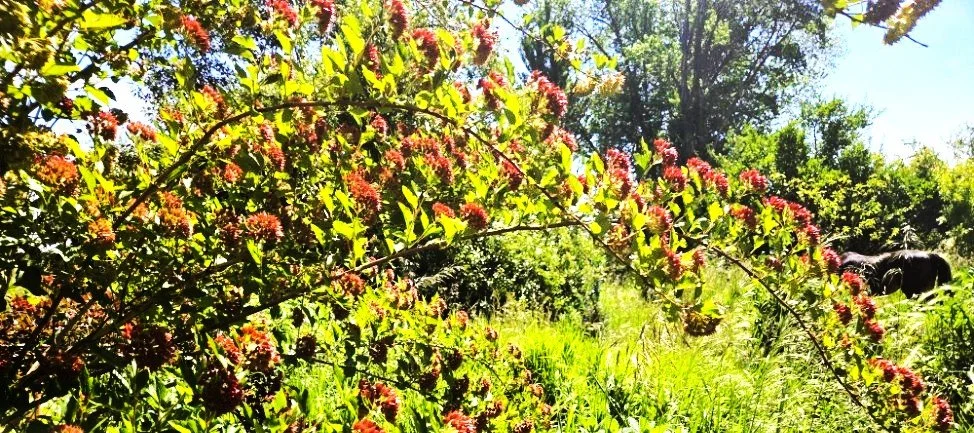
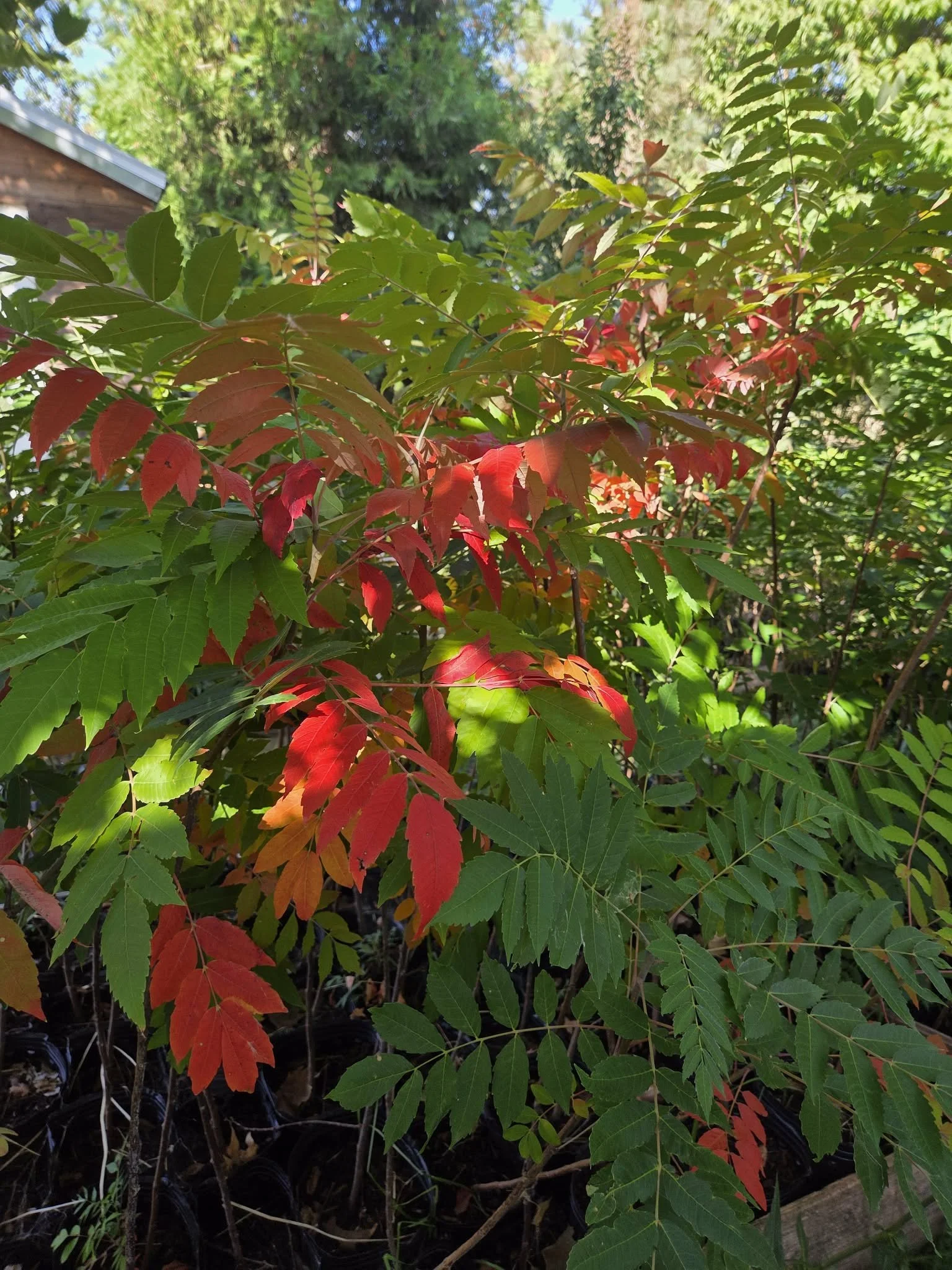
Native plants have adapted over a long period of time to our local climate and are easier to care for than cultivated plants. They are essential to many local native pollinators and provide food and shelter to birds and wildlife. Plant different varieties to provide nectar and food all year. The flowers, berries, seeds, and fall colors add impressive landscape interest. See Plants for Sale for photos and information.
About Walla Walla Bing Bang Farm
My goal is to provide a local source of native plants that are adapted to our area to create wildlife habitat right where we live. I am focusing on plants that have high wildlife value and can provide food and shelter all year long. I am developing a page for local successes and an extensive list of resources. I would love your ideas! This website will be constantly evolving.
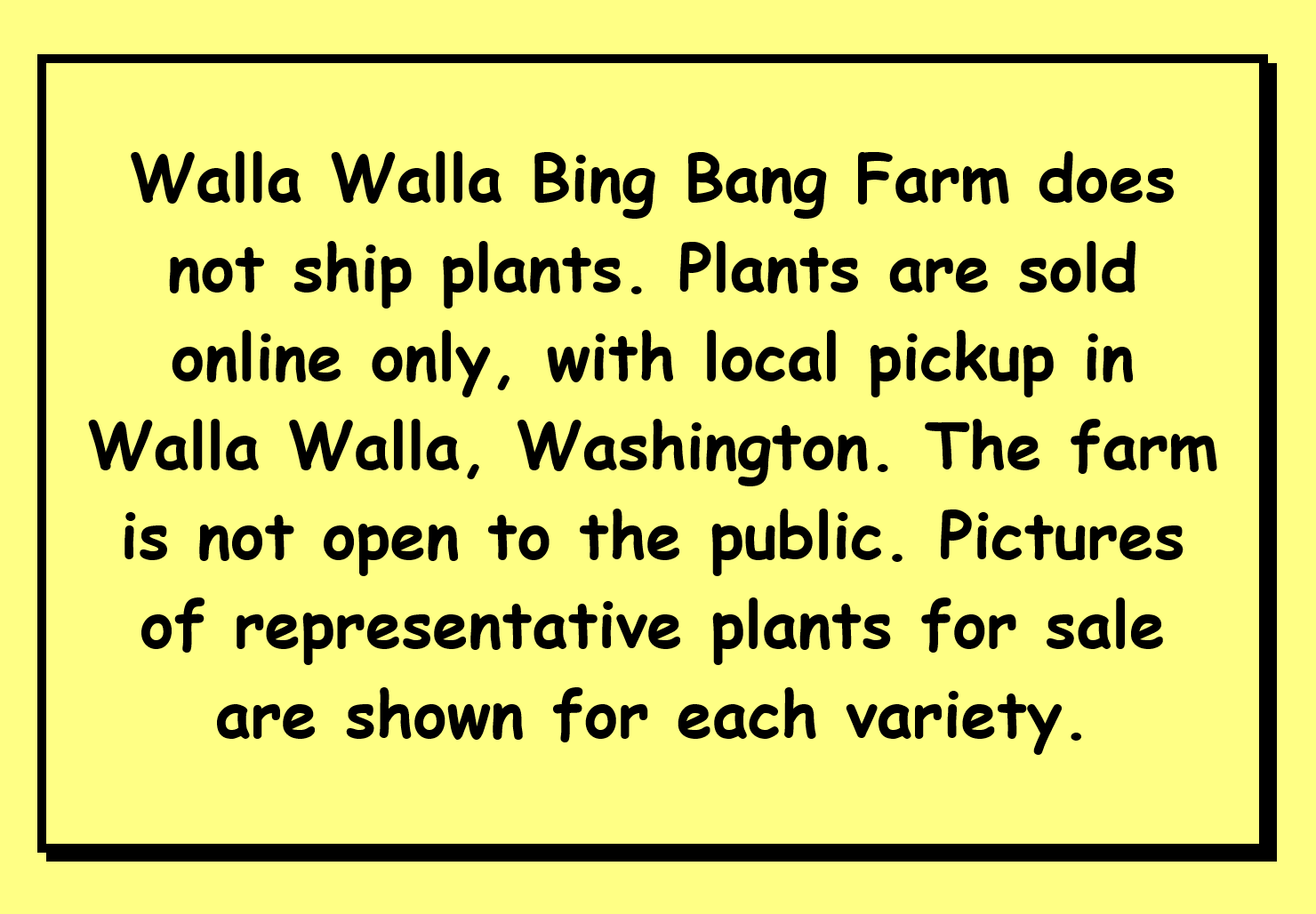
To keep things manageable for me, my farm is not open to the public. Plants will be sold online only, in the spring and fall, and picked up near my home. I am not a plant or landscape expert, but I do have a passion for habitat restoration.
There is an upswelling of interest in native plants, but they are still difficult to find, especially in larger numbers. Because it takes a lot of plants for a riparian border or a hedgerow at a farm or vineyard, or even turning a lawn into a backyard habitat, I plan to carry fairly large numbers of each variety. I am buying wholesale and selling retail, and keeping the prices as low as I can by keeping my expenses as low as I can. I will have larger numbers in spring 2027. Let me know what plants you want. I am also considering taking custom orders. There is still time for me to order other plants for fall planting if there is enough interest for a large order. See the Plants for Sale page for more information.
Why native plants?
A native plant is part of the balance of nature that developed over hundreds or thousands of years in a particular region or ecosystem, evolving alongside local wildlife to provide what they need. These plants constantly adapted to changing local climate conditions. By choosing plants that belong here, you can build a landscape that is naturally more resilient to the changing climate. Research shows that native wildlife, including pollinators, clearly prefer native plants. Native plants are low maintenance and water-wise. Many native plants are stunningly beautiful too - the diversity of flowers, berries, nuts, seeds, bark, and seasonal color changes is amazing.
Native plants have developed their own defenses against many pests and diseases. Since most pesticides kill indiscriminately, beneficial insects become secondary targets. Reducing or eliminating pesticide use lets natural pest control take over and keeps chemicals out of our creeks and watersheds.
To create a home for the little wild ones, don’t tidy up your garden and yard. Leave the leaves, don’t cut down the flower stems and seed pods or trim the shrubs. Build piles of rocks and sticks and logs, and be sure to provide a source of water.
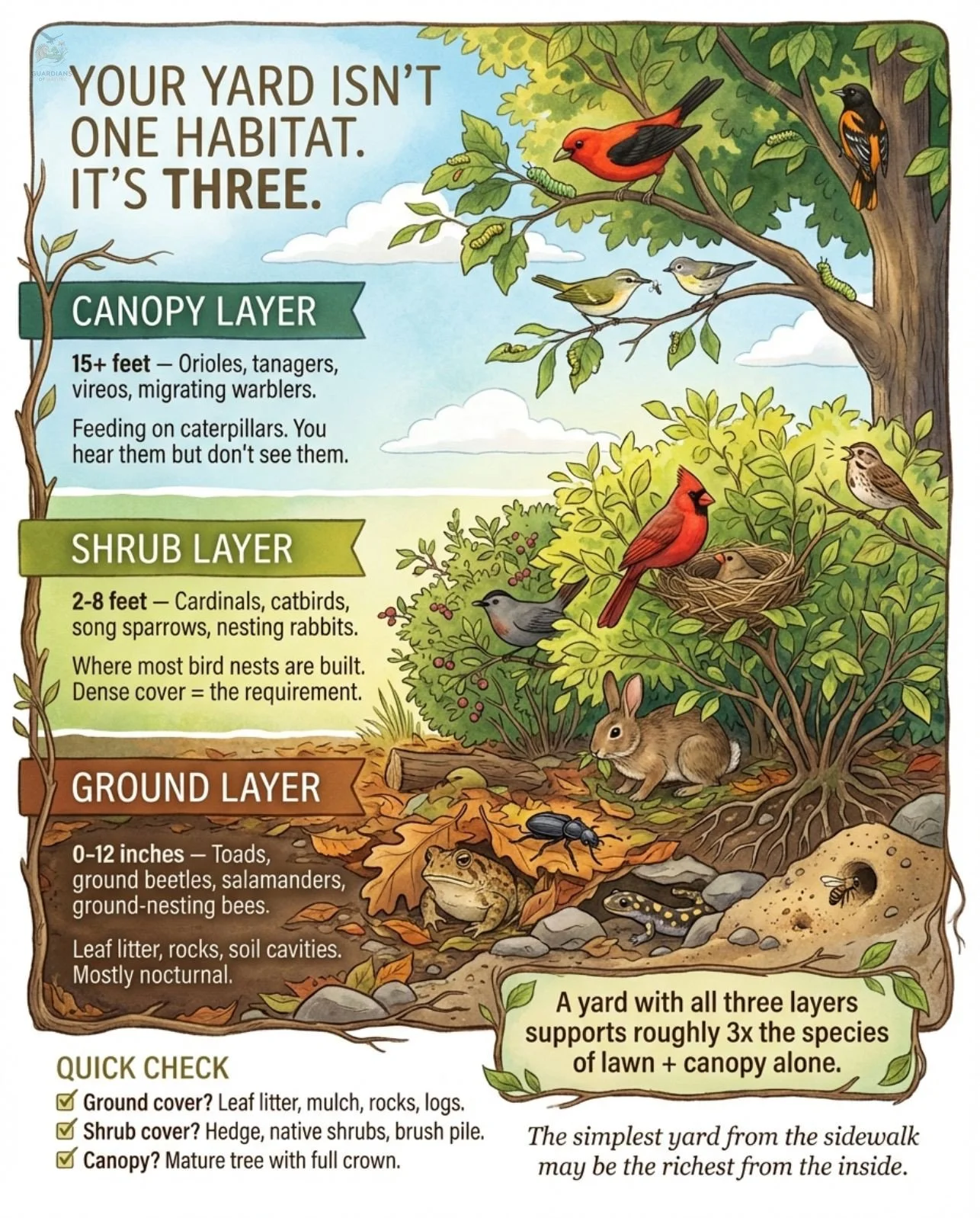
Including many diverse varieties of plants of varying heights in your landscape provides food and shelter throughout the year. Multiples of the same plant are preferred by insects and wildlife. This mimics a natural setting and provides better foraging and other habitat benefits.