 Image 1 of 4
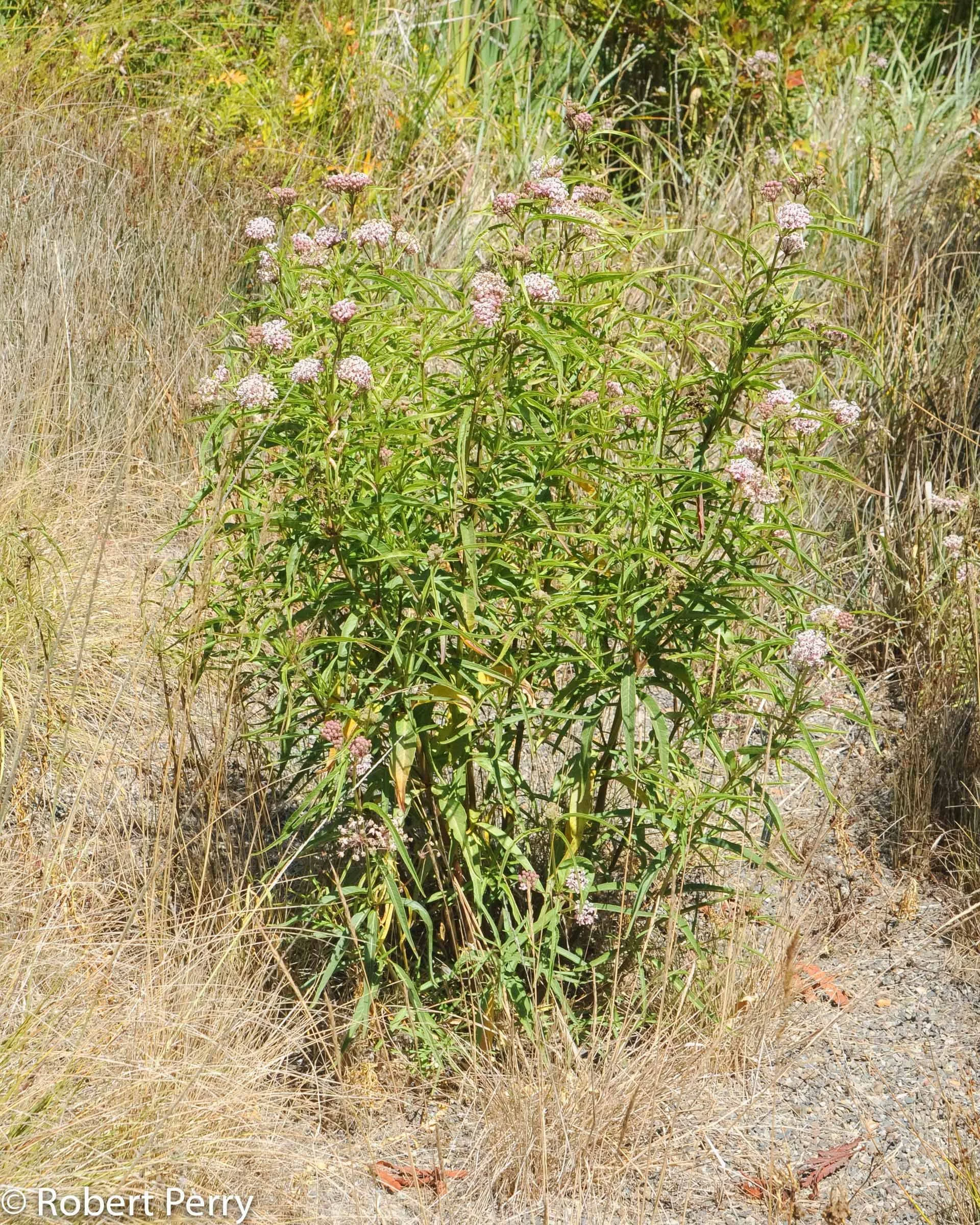 Image 2 of 4
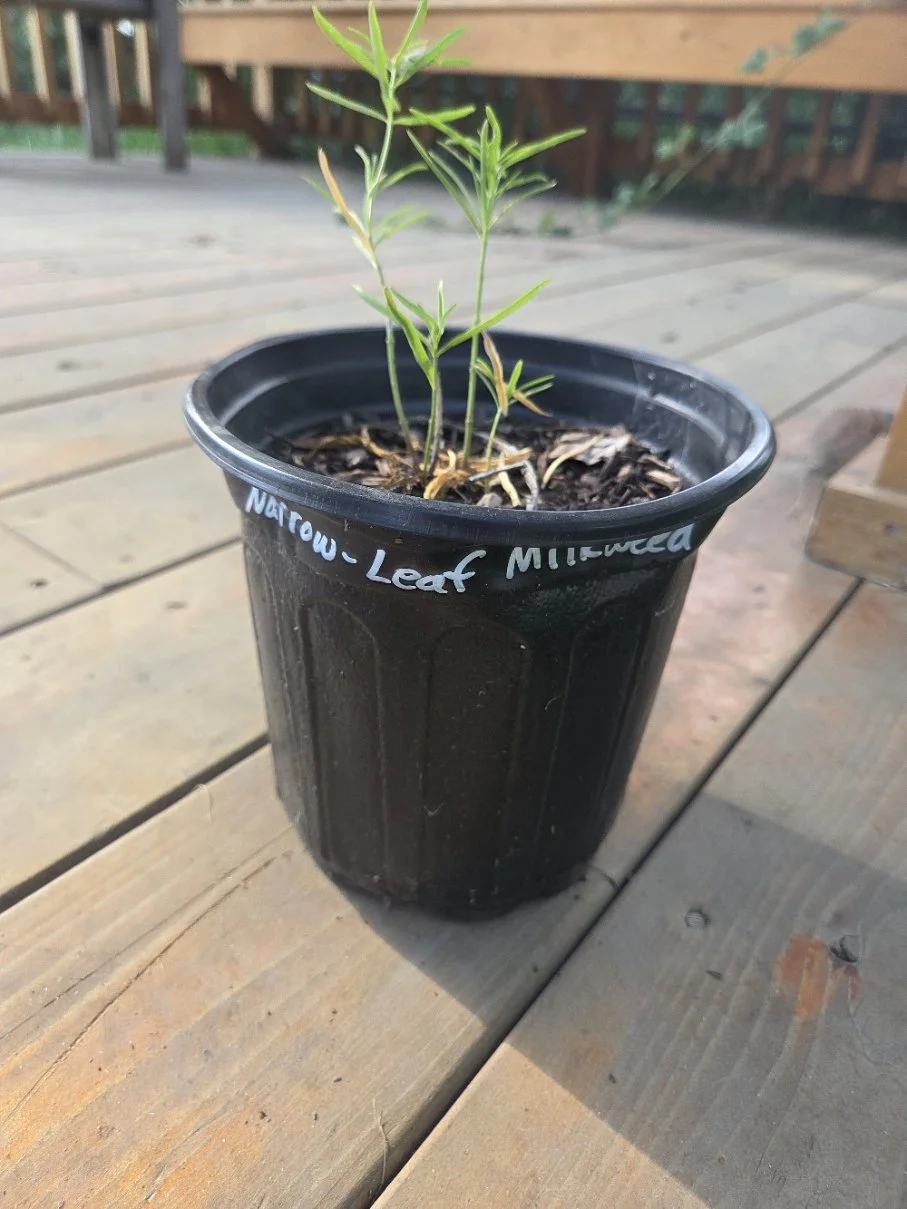 Image 3 of 4
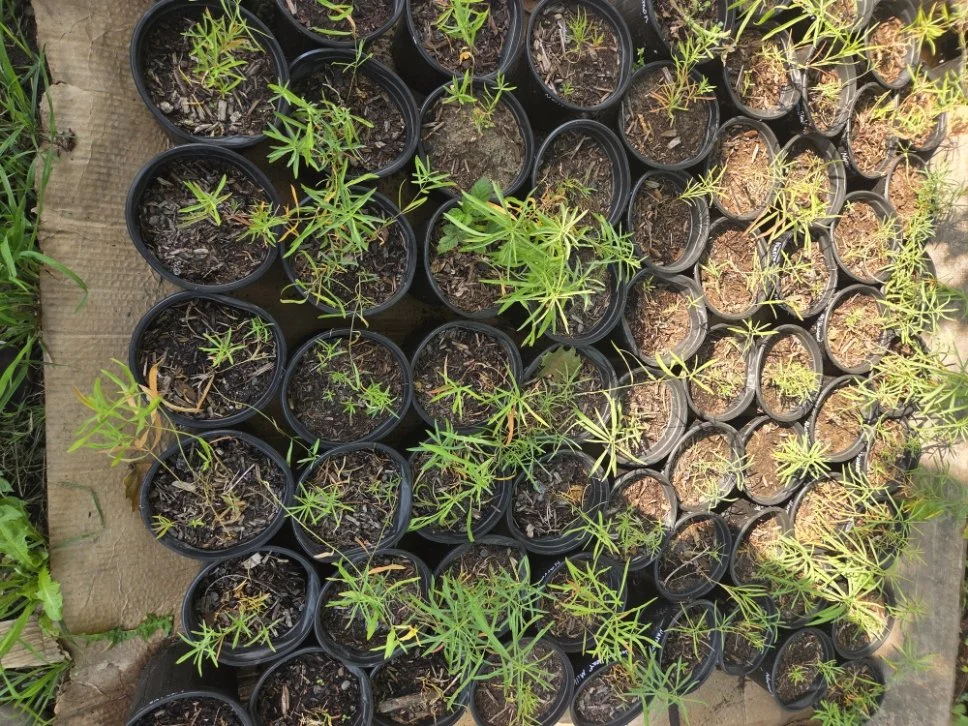 Image 4 of 4
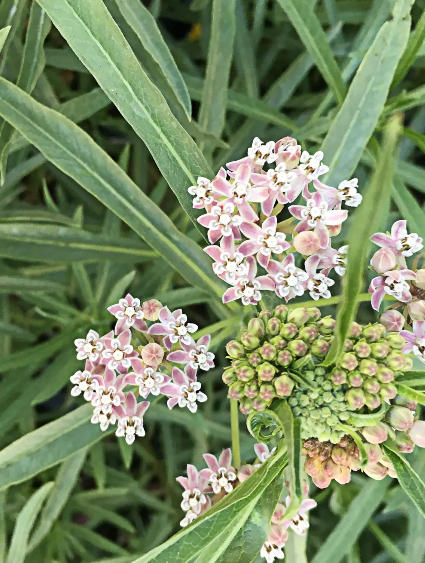
This milkweed, and Showy milkweed, are native to our local area. As the name implies, the leaves are long and narrow. It grows 1-3 feet tall and blooms from late spring through summer. It is an important nectar plant for monarchs and other butterflies, and for bees and other native pollinators. Monarch butterflies are specific to milkweed plants and is the only plant where they will lay eggs. The larvae will feed on the plant and mature into a chrysalis. Plant several clumps for the young caterpillars; their response to predation is to drop to the ground and "play possum." They cannot find their way back to the milkweed stems, which they need to survive, unless they are fairly densely spaced. Although milkweeds can be hard to start and establish, they are deep rooted and hardy, and quite drought tolerant. They prefer full sun.
The silky seed fibers can be spun into yarn or made into cords and ropes, and the green milkweed pods and uncooked roots can be eaten (please do your own research on this!).
These 1-gallon plants are fairly small now, in their first year, but should bloom next year.
NOTE: These plants have now gone completely dormant.