 Image 1 of 2
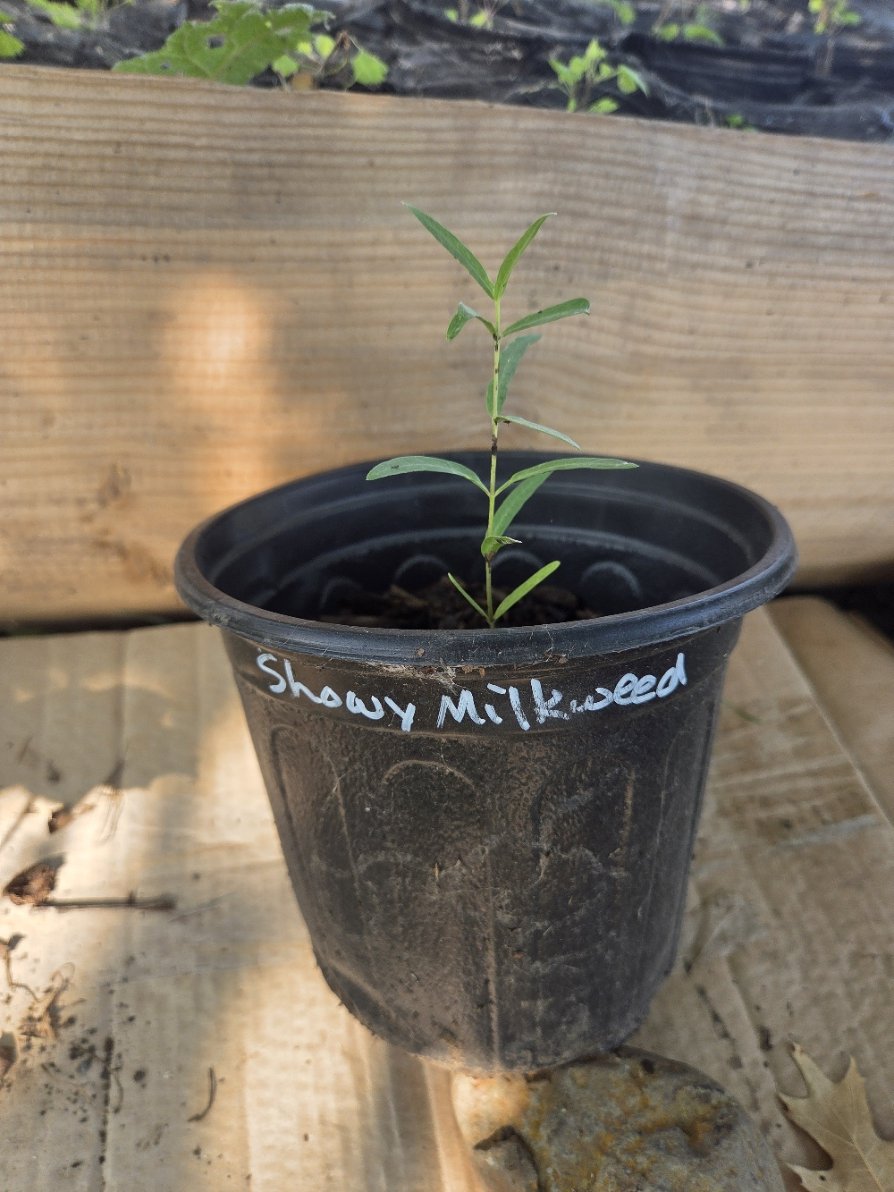 Image 2 of 2
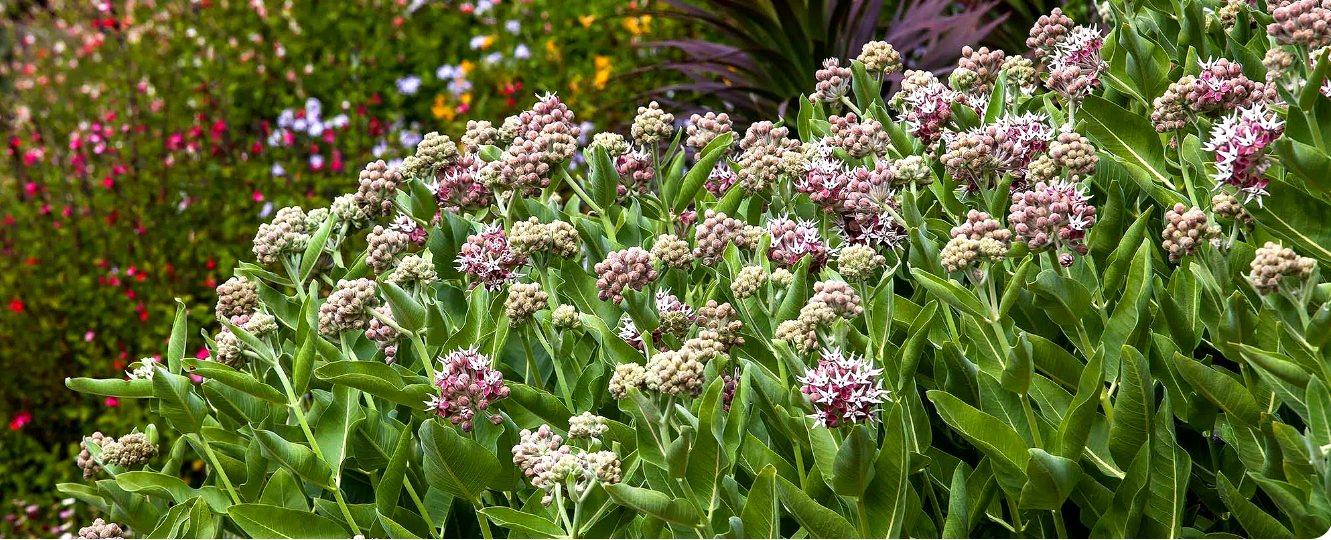
Milkweed for butterflies! This is one of a few native milkweeds native to our area. Though once common, it was targeted for eradication because of the perceived toxicity to livestock. This same toxicity is critical for the survival of monarch butterflies, and it is now clear that the survival of both species are tied together. It is a valuable nectar source for hummingbirds and many native bees and butterflies, not just the monarch. It is a critical larval food source for caterpillars. The seed pods that form in late summer are filled with seeds and floss, a material attached to the seed that allows it to travel on the wind, similar to dandelion seed. Here’s an interesting fact: The floss, or “wild cotton,” was once used to fill flotation devices during World War II, when the supply of another material was cut off. It has been used as mattress and pillow filling. Birds use the silky floss to line their nests. Showy milkweed was used by Native American tribes for making everything from rope to cloth to medicine.
It can be tricky to start and transplant, but once established it thrives in poor soils and limited drought conditions. It grows 3-6 feet tall and can spread by rhizomes. It takes the plant 2 or 3 years to grow big enough to produce flowers.
I had significant loss from tiny bare root plants, but the remaining 1-gallon plants are well established and healthy.
NOTE: These plants have now gone completely dormant.