 Image 1 of 3
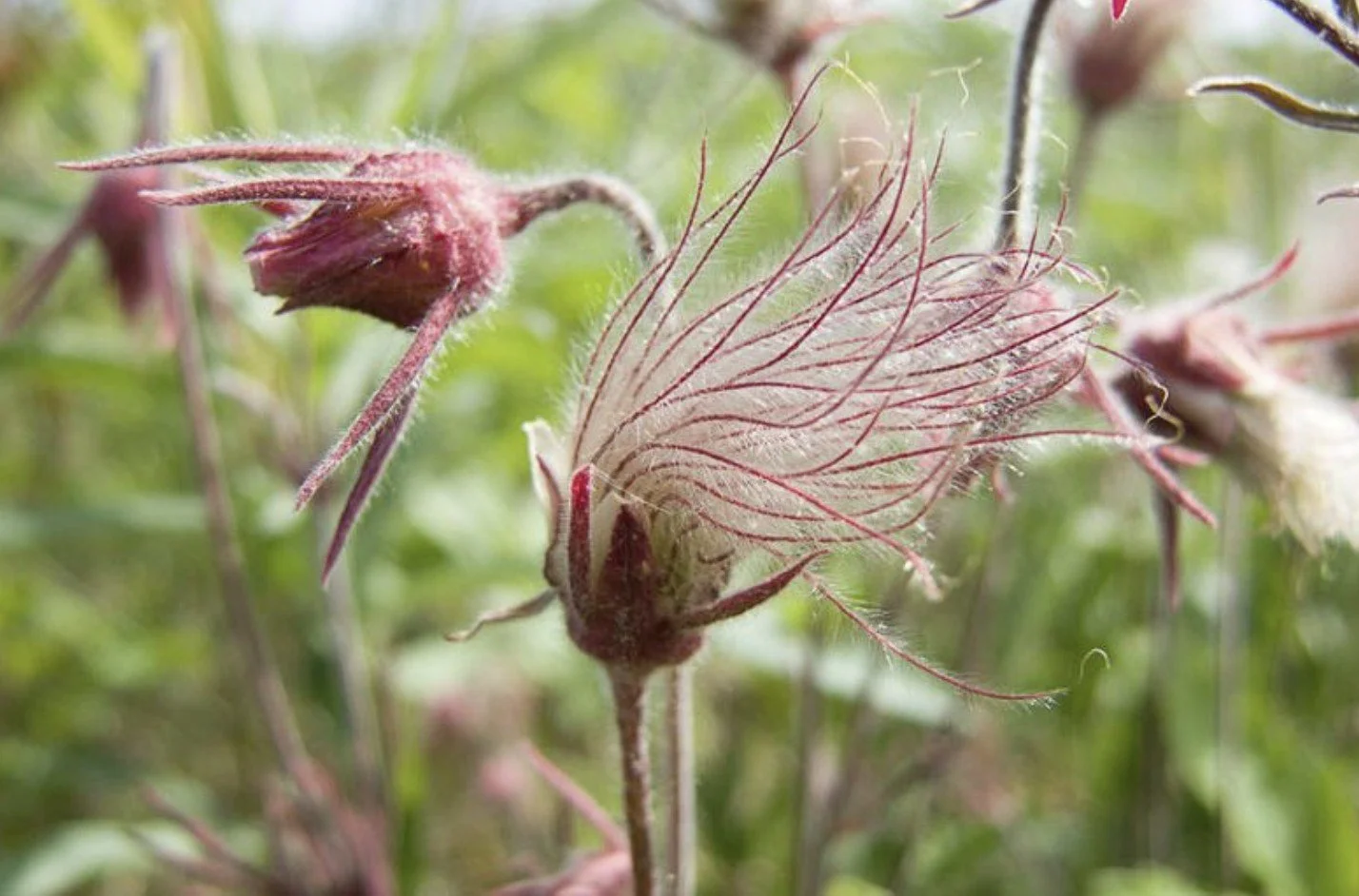 Image 2 of 3
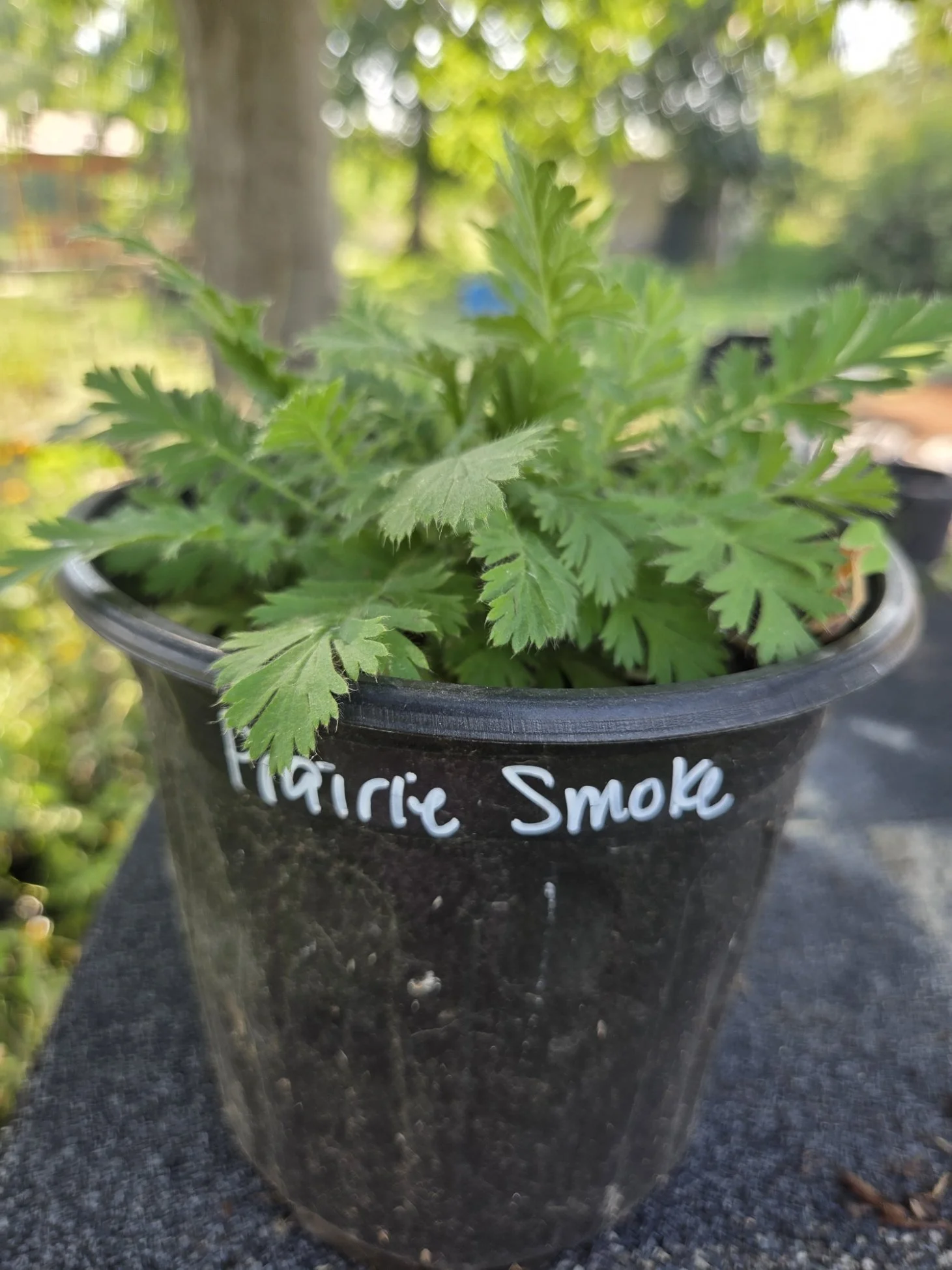 Image 3 of 3
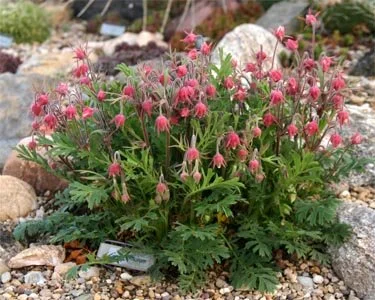
Prairie smoke is magical! It is a low growing, somewhat small clumping perennial that spreads slowly from the roots. It is very pretty with its soft green ferny leaves. The flowers, though! It blooms in April and May with nodding rosebud-like rose colored blooms. Later, the dramatic airy, gauzy seedheads have thread-like structures that seem to reach for the sky. The foliage is semi-evergreen, fading to a deep grey-green and then turning orange-red in the fall, and fading to purple where it remains present over the winter. Prairie smoke has become rather rare over much of its native range.
The flowers are especially valuable to native bumblebee queens that have overwintered and are in need of resources in the spring. Bumblebees are the primary pollinators because they are strong enough to pollinate the tight flowers. Other insects seeking nectar will chew small openings at the top of the flower to access the nectar, and other opportunists will use those openings. Native Americans use this plant for medicinal purposes.
This is a drought tolerant species, with a deep taproot. These 1-gallon plants did not bloom this year because I started with very tiny bare root plants, but they will flower in the spring. I added some to my rock garden; I can’t wait to see them bloom!