 Image 1 of 3
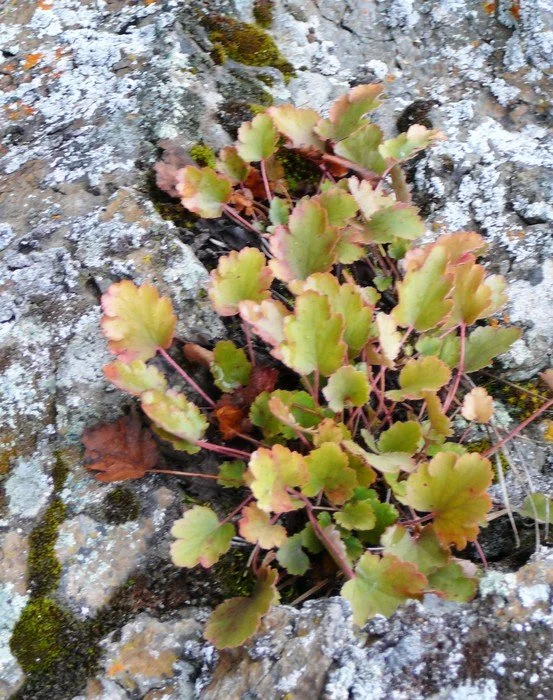 Image 2 of 3
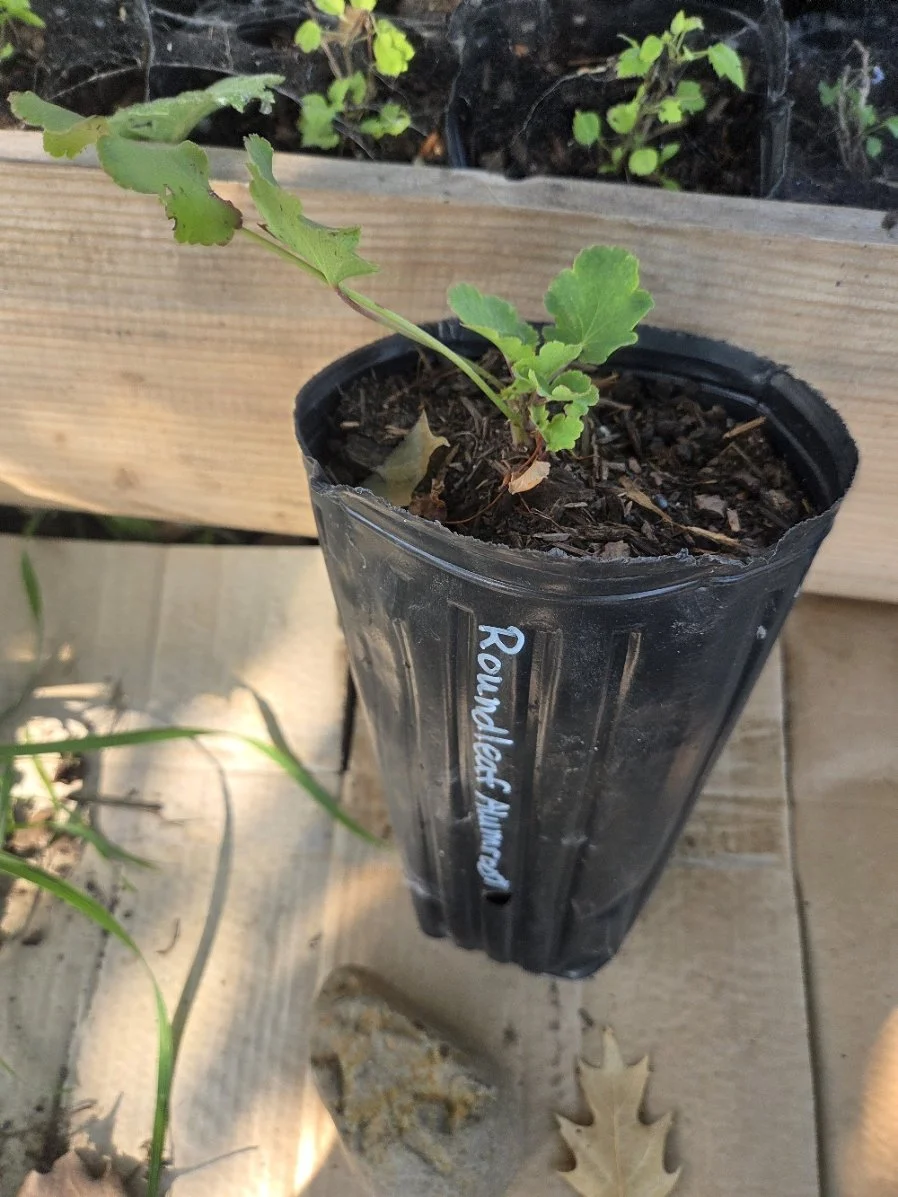 Image 3 of 3
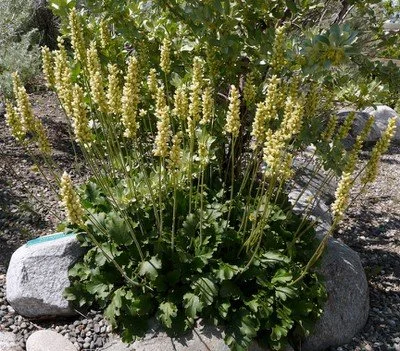
Round-leaved alumroot (wild coral bells) is a hardy, clump forming perennial that lives for decades. Yellow-green flowers rise about the leathery, oval to heart-shaped leaf clump to about 3 feet, making for a gorgeous display. It transplants well and is drought tolerant and thrives in dry, rocky, and well-drained soil, although it looks better with some supplemental watering. This perennial attracts butterflies, bees, and other beneficial insects with its nectar-rich flowers. The dry papery seed capsule contains many tiny seeds, which feed small birds. Round-Leaved alumroot is known among indigenous people as a strong healing plant, one that offers medicine for both the body and the spirit. Its roots were valued for many remedies.
These plants were potted in early July from well-rooted 10-inch plugs. They develop slowly, and will grow rapidly once established. They have not had a lot of time for roots to develop in the 9-inch-tall treepots, so take care when transplanting.