 Image 1 of 3
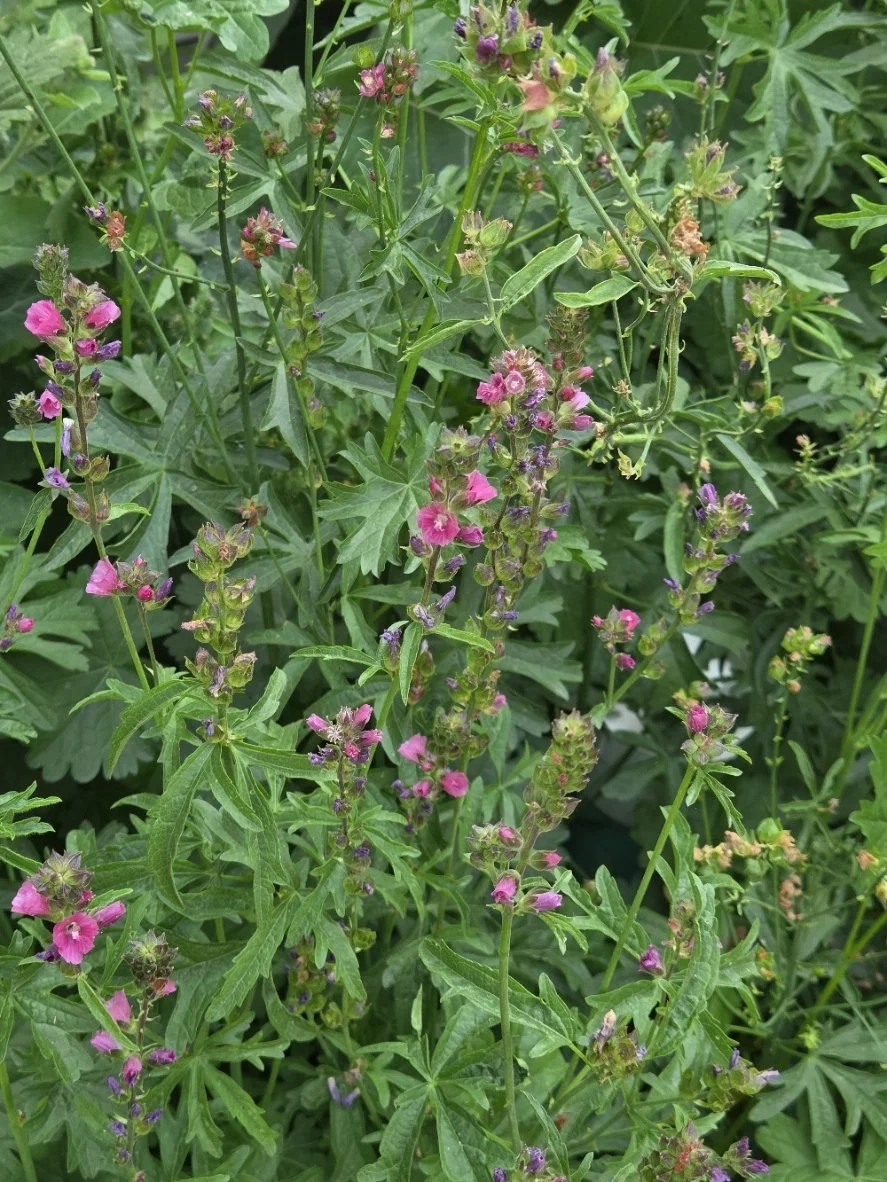 Image 2 of 3
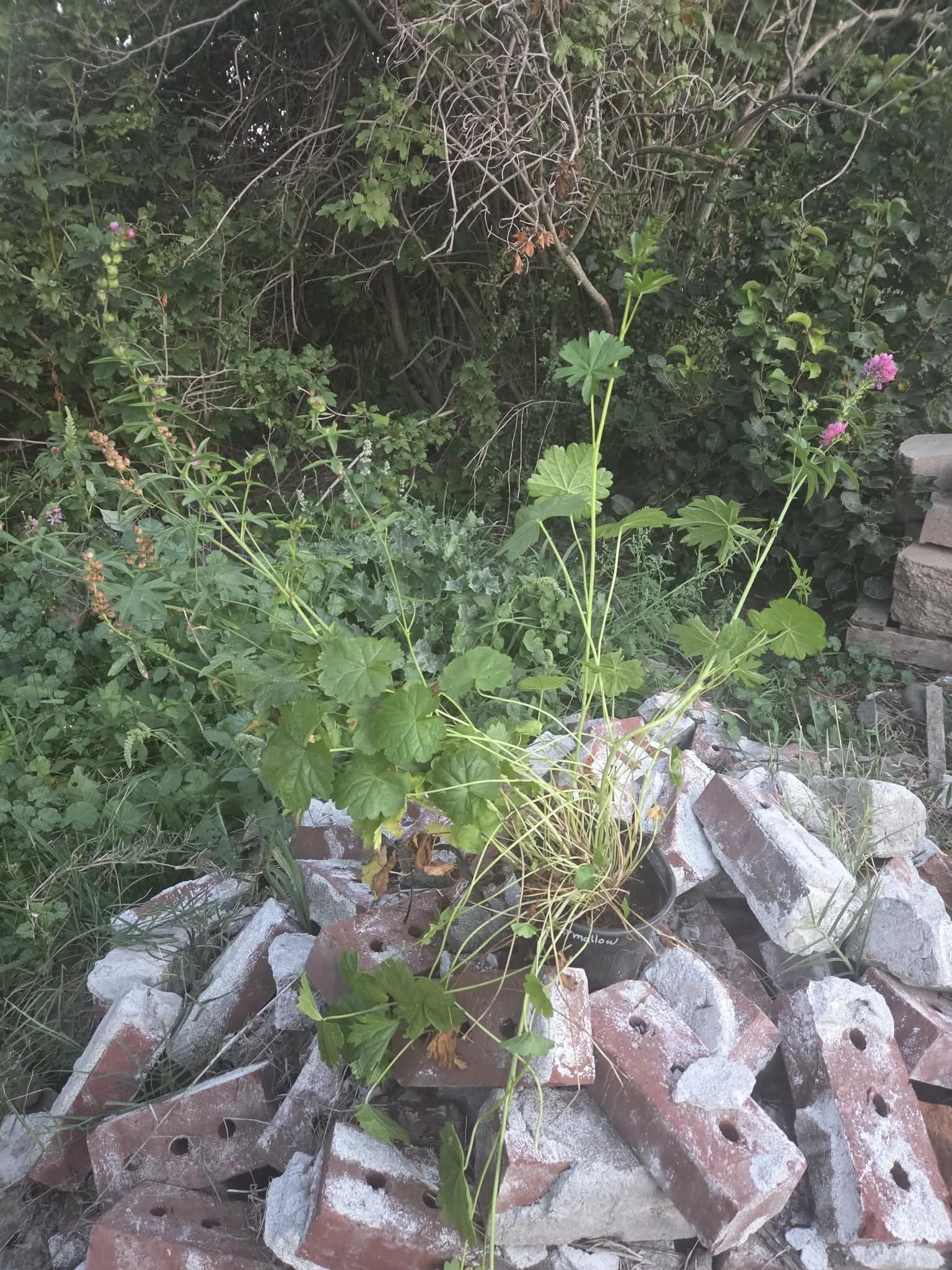 Image 3 of 3
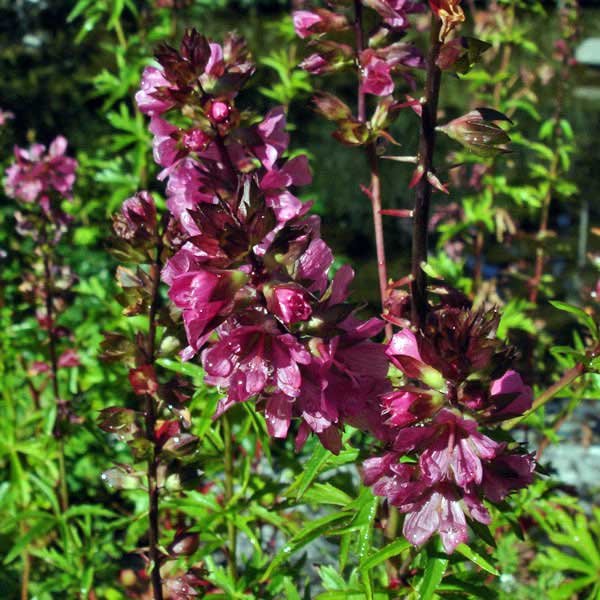
This checkermallow is normally found west of the Cascades, but it is a beautiful plant that adapts remarkably well to a wide range of conditions and does well in drier areas. Henderson’s checkermallow is fairly rare. It likes to be in full sun. It develops a clump of scallop-shaped leaves, then tall shoots of bright magenta flowers grow to 3 feet tall. This, and other mallows, are associated with various specialist mallow-family insects, especially various uncommon native bees in the genus Diadasia. It attracts hummingbirds, bees, butterflies, and other native pollinators, and is a butterfly host plant. Mallows have been food and medicine plants across many cultures for thousands of years.
These 1-gallon plants have grown vigorously from small bare root plants this spring, and they have all flowered this year - they are still flowering! They are in full sun in my yard and have not seemed at all stressed when they dry out. This is a perennial that I will keep planting. I plan to pair them with Canada Goldenrod, which is also a late-season pollinator magnet - bright yellow and bright magenta together!