 Image 1 of 4
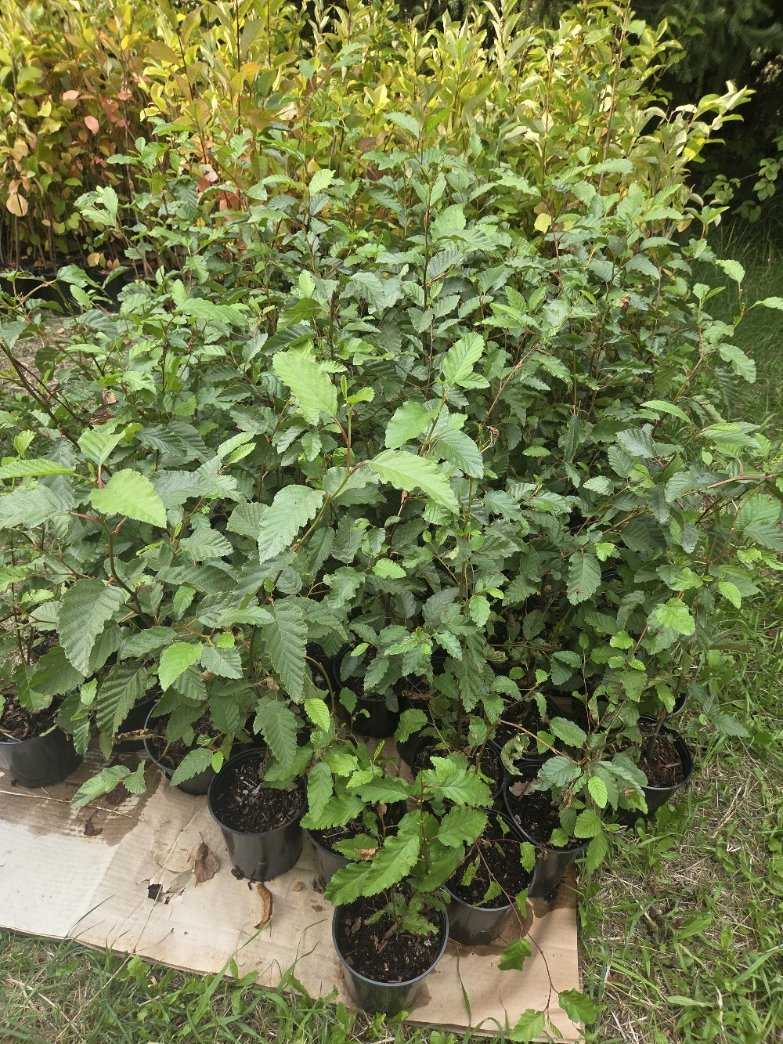 Image 2 of 4
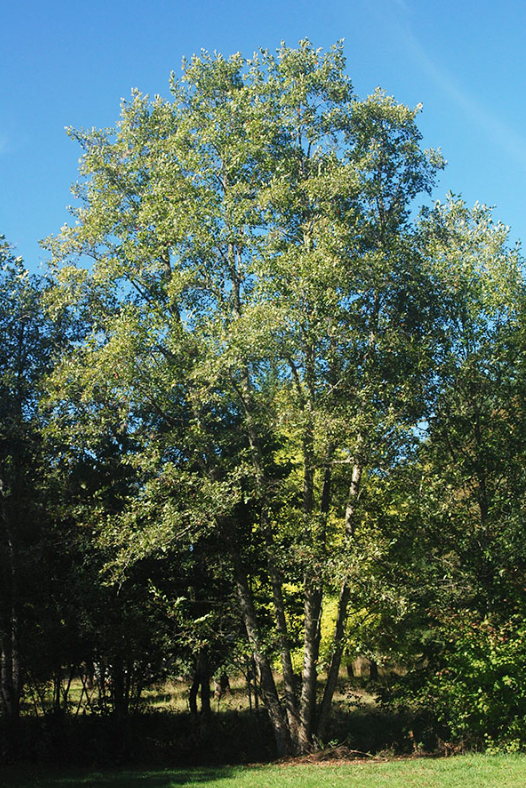 Image 3 of 4
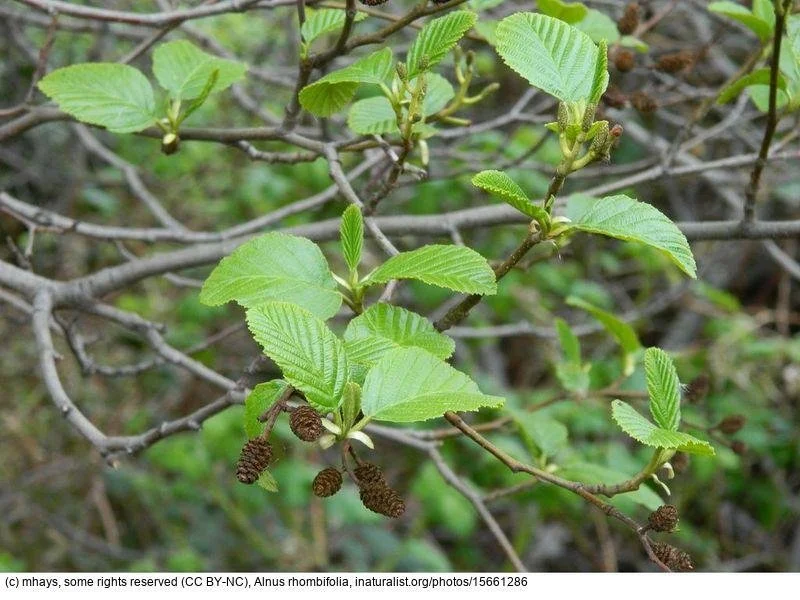 Image 4 of 4
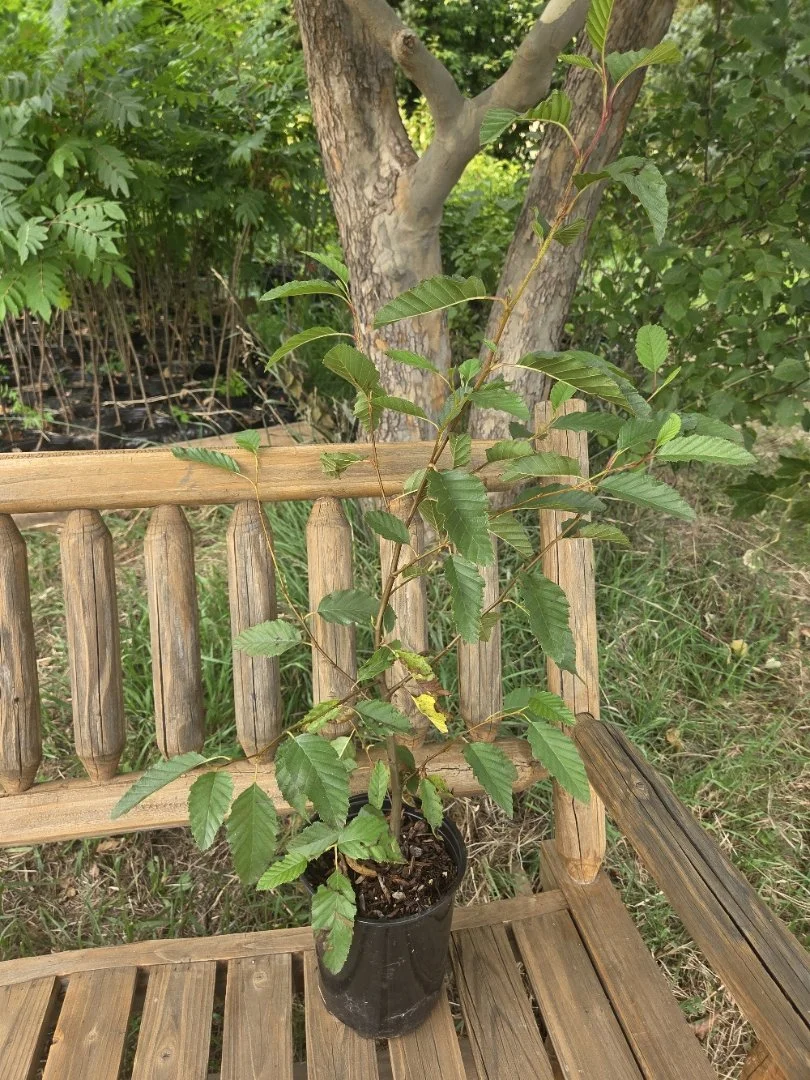
Alder trees are often overlooked, but they are a powerhouse tree! White alder grows fast up to 80 feet tall and lives for about 100 years. It displays interesting catkins in the spring and beautiful yellow fall color. Often planted along waterways, but white alders are more tolerant of our local dry conditions than other alders, such as red alder. It often grows on dry rocky slopes adjacent to waterways. I will be offering more of these in the spring; they have been hard to find.
Alders are a wildlife essential. Beavers eat the bark and use alder wood to build dams and lodges. The foliage serves as a larval food source and host plant for butterflies, including the Western Tiger Swallowtail. Woodpeckers feed on boring beetles and insects are drawn to the tree's bark and oozing sap. Many birds feed on the cone-like catkins. Bacteria in their root nodules move nitrogen from the air into the soil, making it available to the tree and nearby plants. A red dye can be extracted from the bark, and it has a long history of traditional medicinal uses by Native American tribes.
These 1-gallon plants are 2-4 feet tall. NOTE: The remaining white alders are healthy and vigorous but look ragged due to torn leaves from a too-close sprinkler.