 Image 1 of 5
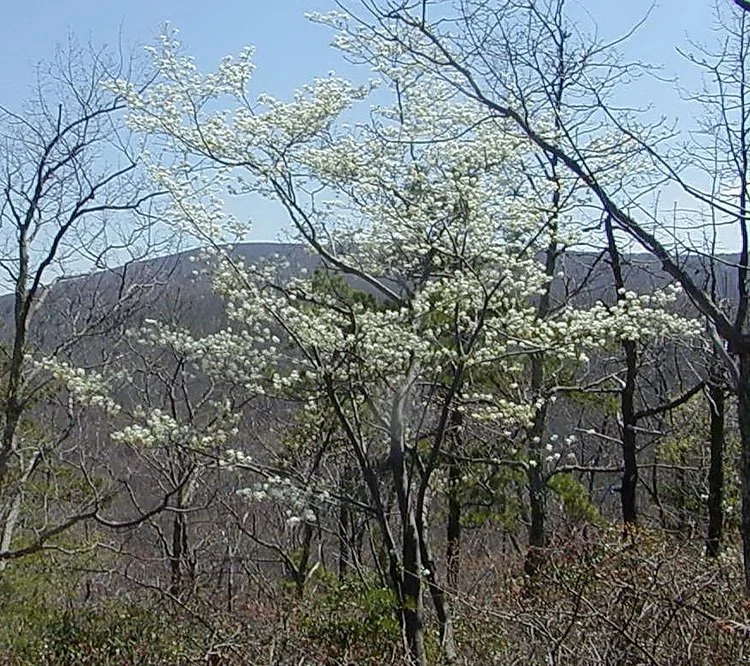 Image 2 of 5
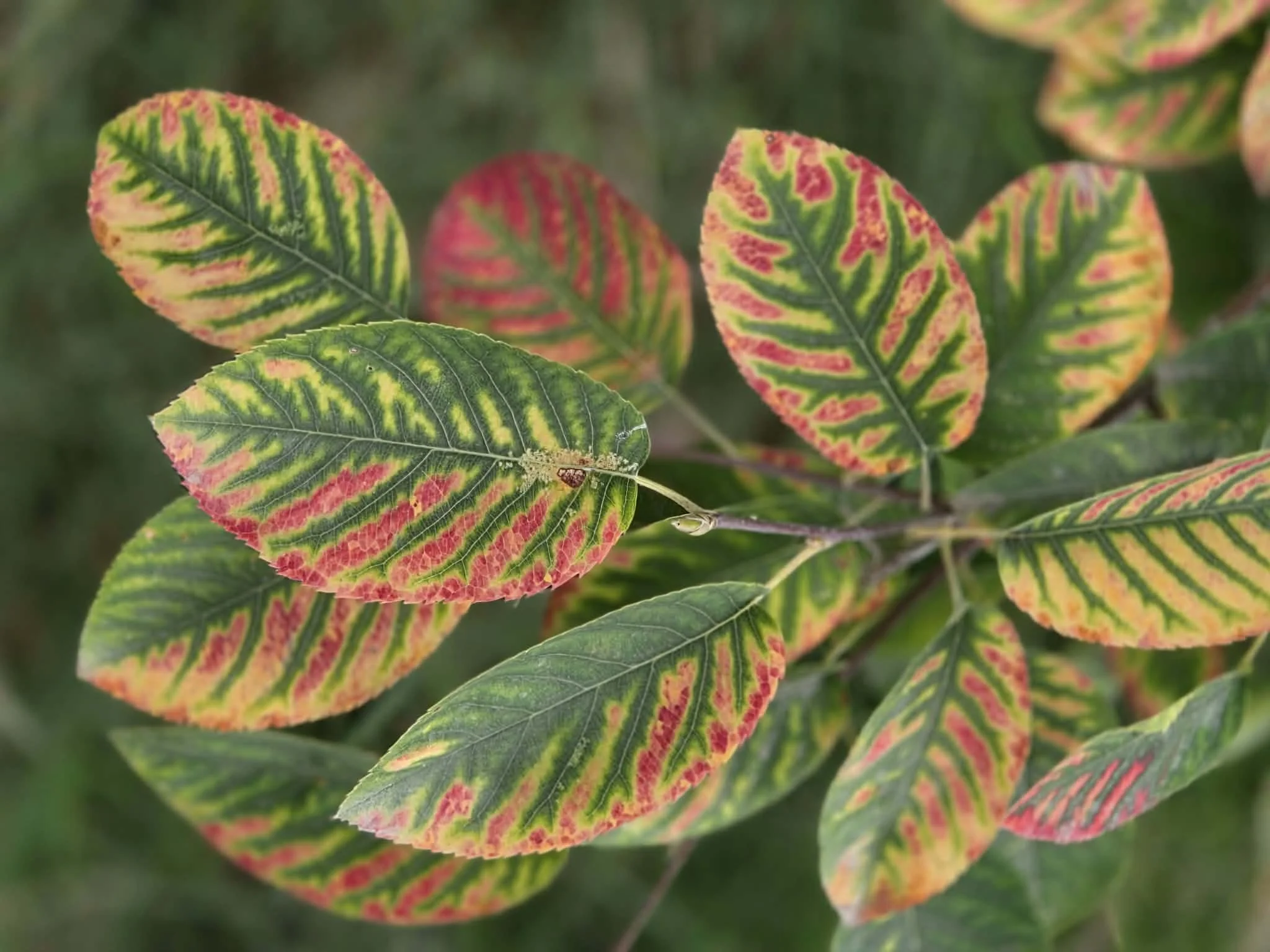 Image 3 of 5
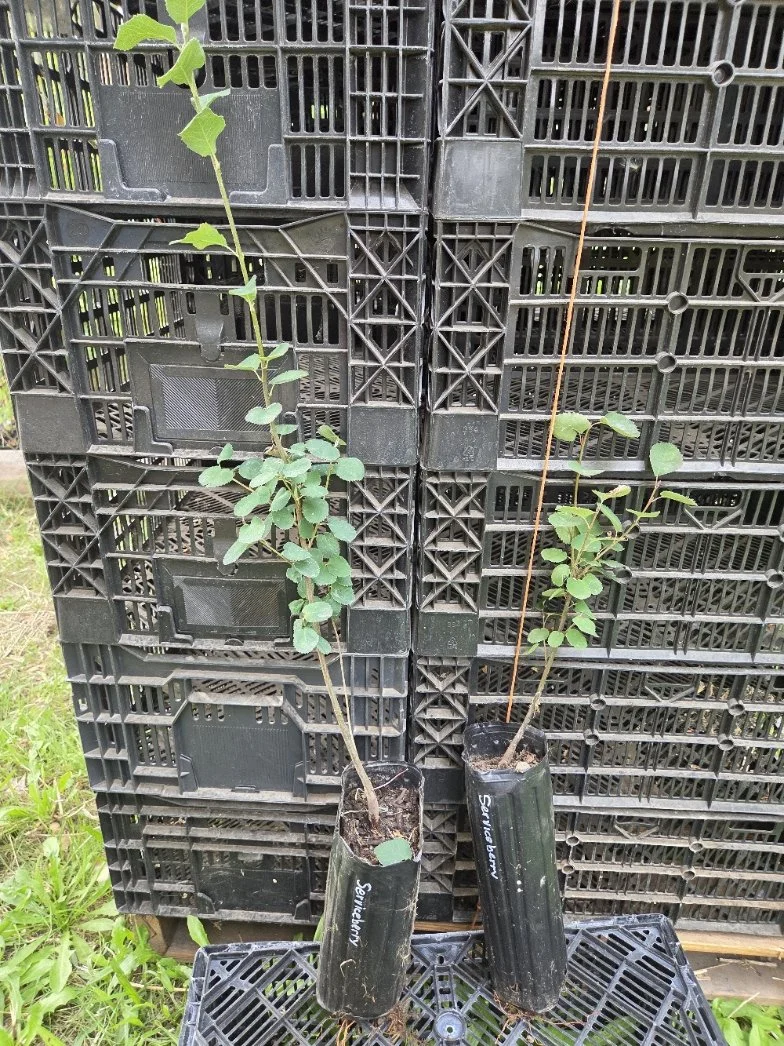 Image 4 of 5
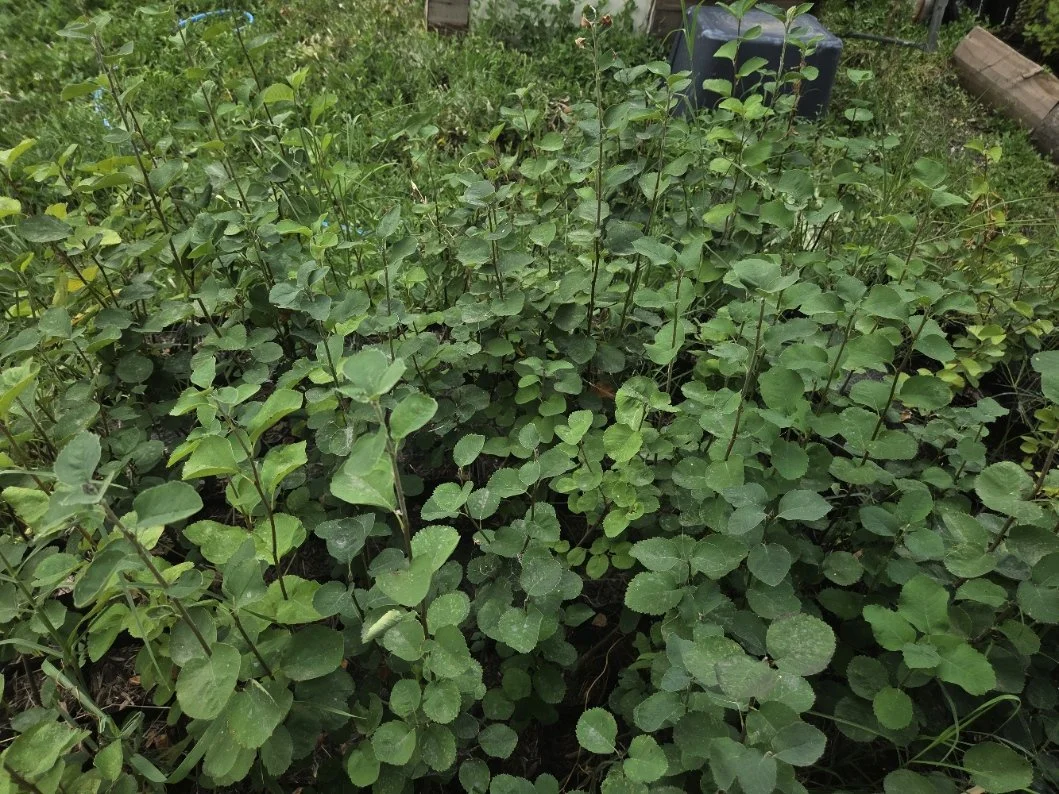 Image 5 of 5
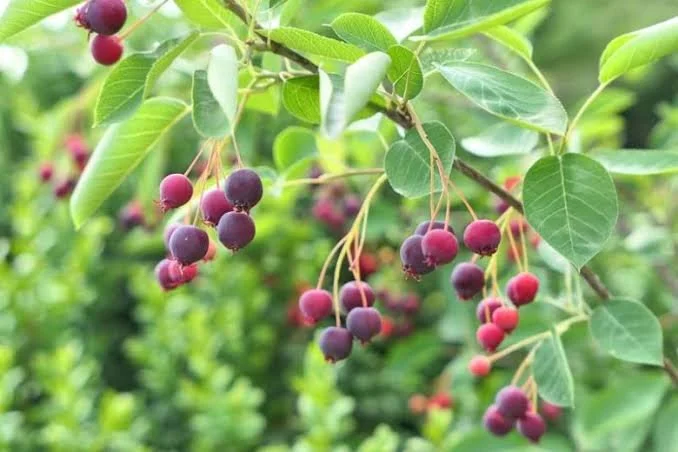
This is my absolute favorite small tree or shrub. I have 1,000+ in the field ready to pot this winter. This dense, multi-trunked shrub is beautiful in all seasons and has high ecological value. It provides vital food, shelter, and nesting habitat for a wide array of wildlife. The foliage serves as a caterpillar host plant for some varieties of butterflies and moths. In the early spring, the fragrant white drooping bloom clusters attract hummingbirds, butterflies, and other pollinators, providing a critical early season source of nectar. Upland game birds, woodpeckers, robins, thrushes, Western tanagers, crows, and cedar waxwings love the berries. Small mammals consume the fruit and the bark.
Oval blue-green leaves turn vibrant shades of bright yellow, orange, and red in the fall. The berries have beautiful changing colors as they ripen. I have one outside my bedroom window and I love to see cedar waxwings and many other types of birds flock to it before the berries (called juneberries) are even ripe. My chickens will jump higher than you would think a chicken could jump to get these berries. Mine have been extremely drought tolerant, thriving in spite of a lot of summers without any additional watering, but most references state that it like moist soil. Be sure to keep them well watered until they are solidly established. Saskatoon serviceberry is not a fast grower, but it eventually reaches 16 or more feet in height. Serviceberries have been a Native American staple for many uses.
These plants are in 12-inch-deep treepots and have a vigorous root system.