 Image 1 of 4
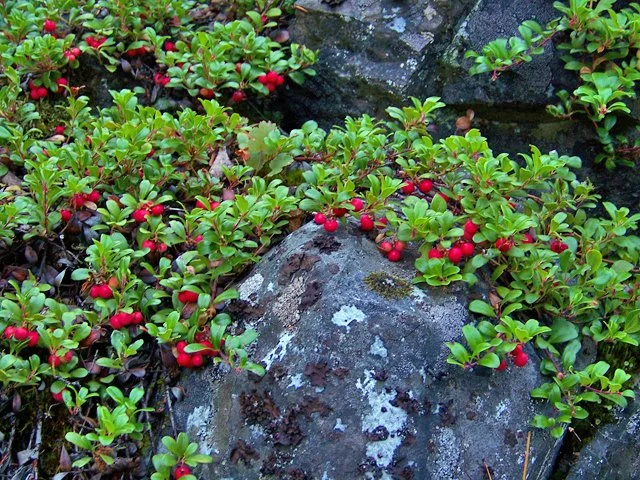 Image 2 of 4
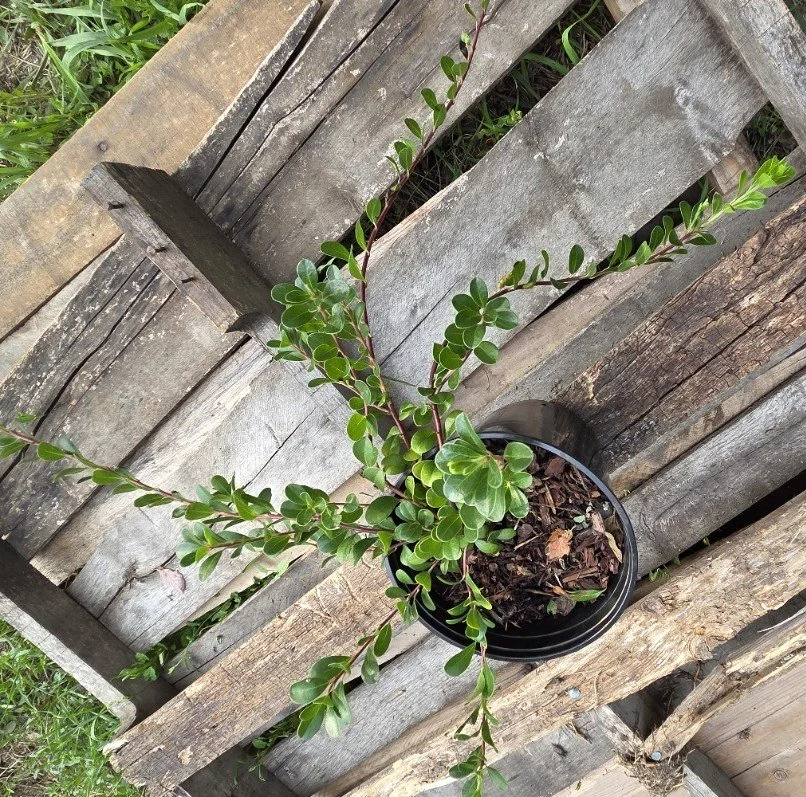 Image 3 of 4
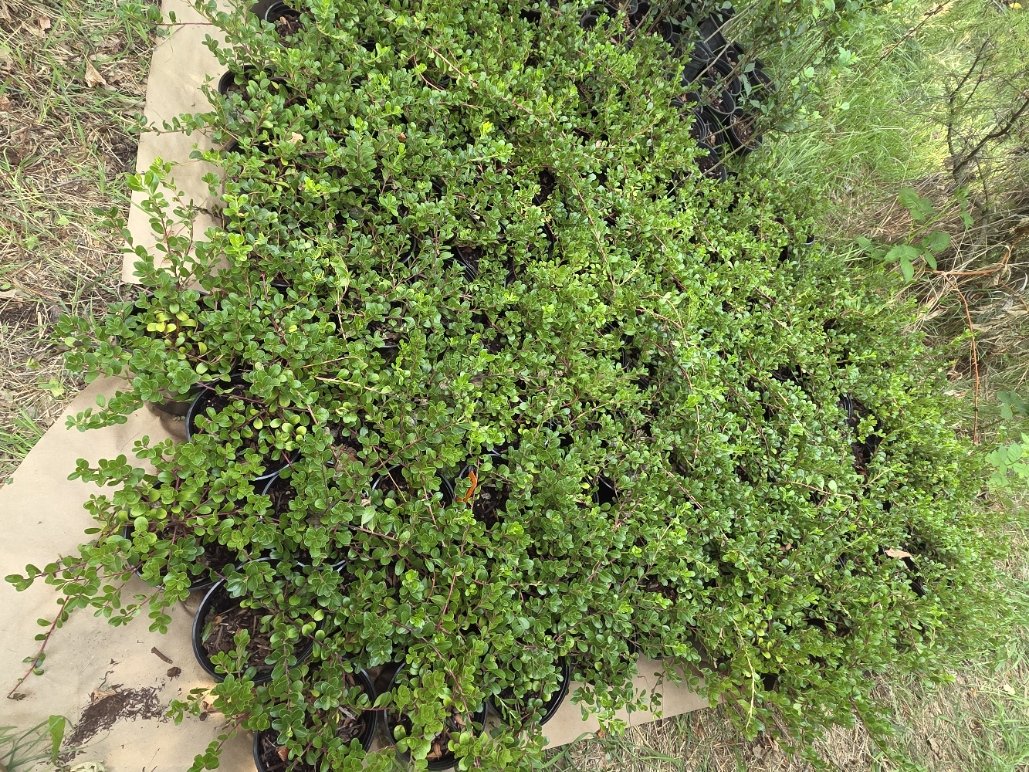 Image 4 of 4
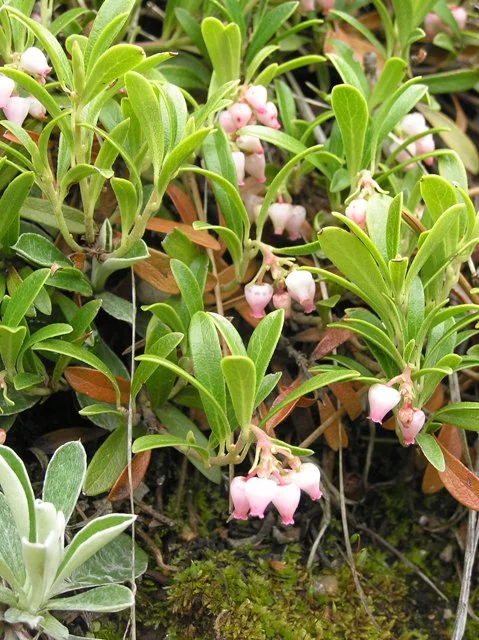
Kinnikinnick is a low-growing, trailing, evergreen groundcover. It stays under 12 inches tall and spreads from 3-6 feet. The trailing stems root where they touch soil, so a single plant eventually becomes a mat. It is drought tolerant when established, and does not tolerate wet heavy soil. Water infrequently while establishing, and only water deeply once during long dry spells. Kinnikinnick prefers at least 5 hours of direct sunlight, and rocky, gravelly, or sandy soil. It is beautiful in all seasons. In the spring it has clusters of tiny urn-shaped pale pink and white flowers. Bumblebees and other native pollinators love the early spring flowers, which provide an important early food source. These flowers turn into red berries by late summer and often stay on the plant through winter, which feed birds and small mammals when they most need it. The foliage turns a deep red in the winter.
The plants I’m offering look great and already have long trailing stems. 1-gallon pots.