 Image 1 of 4
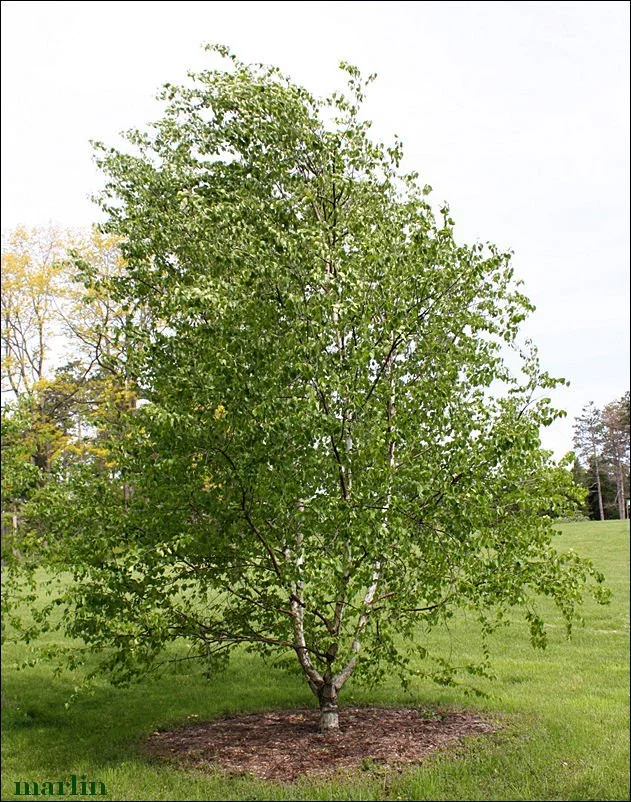 Image 2 of 4
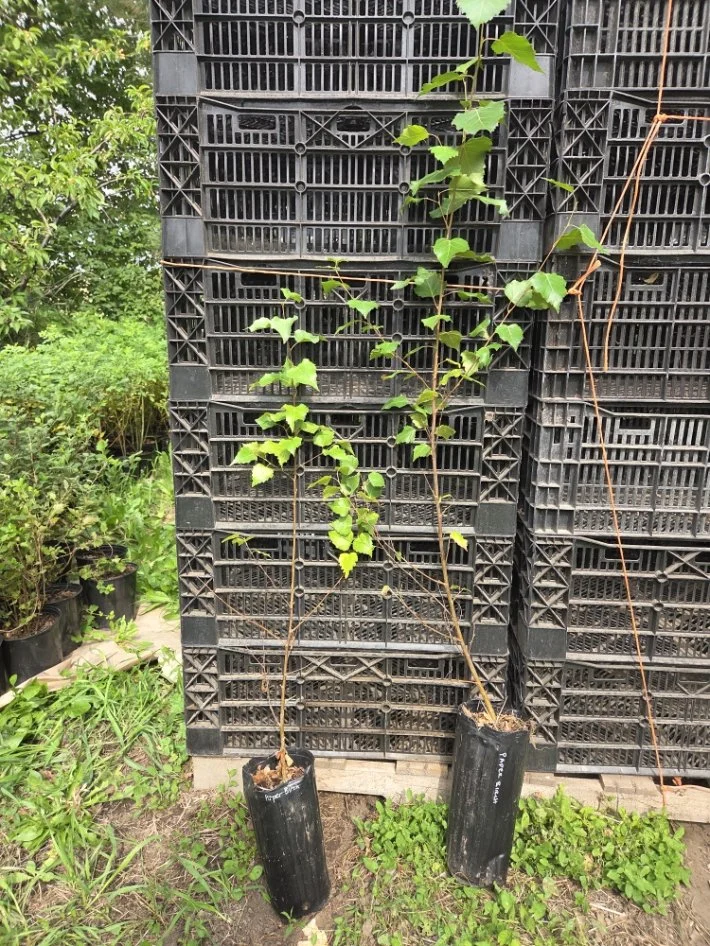 Image 3 of 4
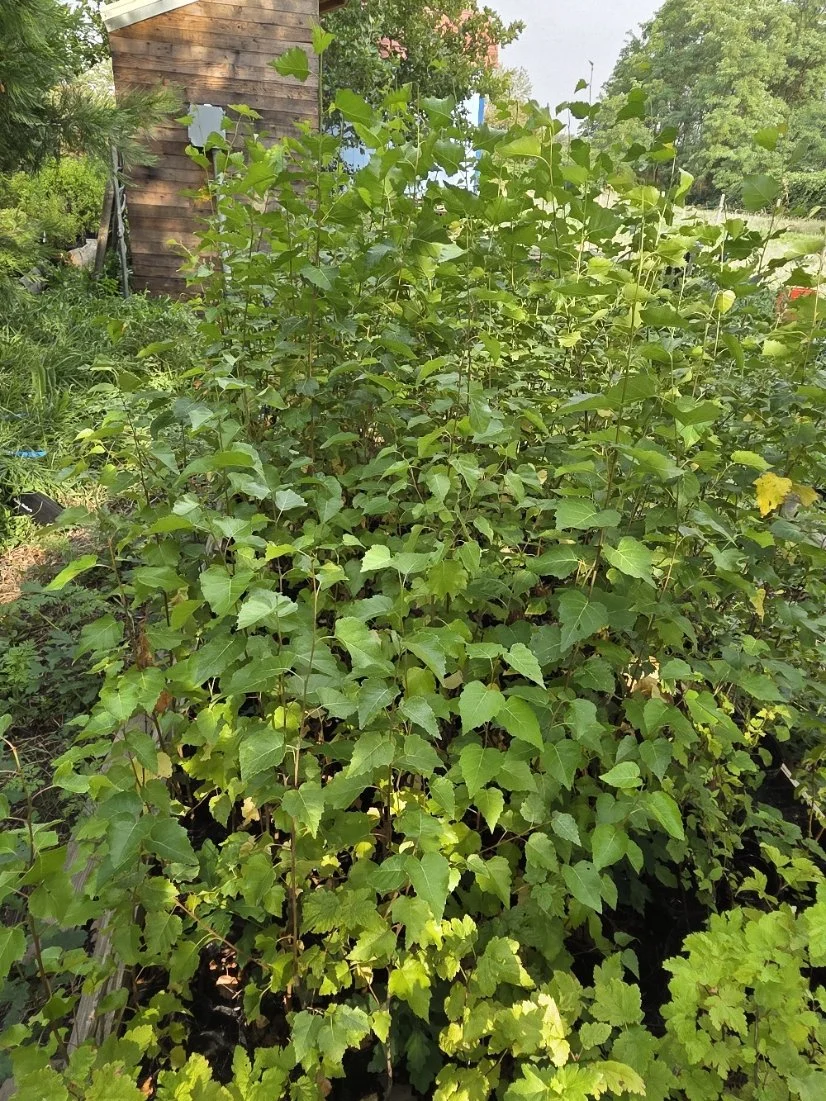 Image 4 of 4
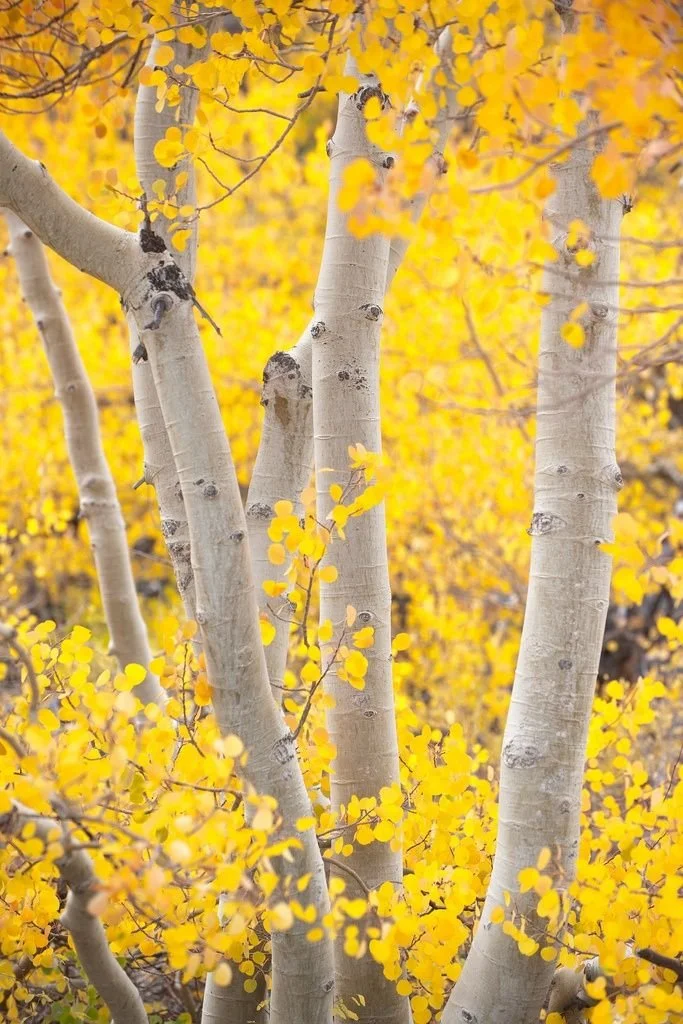
Birches, like alders, are much underrated trees. It is an ecological powerhouse. The white peeling park, the bright yellow fall color, the two types of catkins and the winged samaras make this tree beautiful and unique. It grows fast to 40-65 feet, and will eventually have white or whitish peeling, papery bark. It is a riparian tree, but does well in dry conditions with some supplemental water. This tree produces two kinds of catkins - staminate and pistillate. The staminate catkins are elongated and pendulous, and the pistillate catkins are shorter and upright. It produces samaras (winged fruit, a “helicopter” seed).
Many kinds of birds eat the seeds, and many more feast on the insects that use the tree as habitat. Leaves are eaten by butterfly larvae as well as many small mammals. Birds and mammals nest in its cavities. The bark was traditionally used as paper, and the pitch distilled from the bark used as a glue. Native Americans used many parts of the birch tree for many different materials.
I have a few paper birches I planted from small bare root plants 6 or 7 years ago. They are now about 15 feet tall and the bark has not turned white yet. They have been pretty carefree and have done well with no additional water in some years, with no apparent stress.
The paper birch plants I’m offering were potted from very small bare root plants this spring, and they have grown very fast and seem very tough. They are in 12-inch-deep treepots and have extensive root systems.