 Image 1 of 3
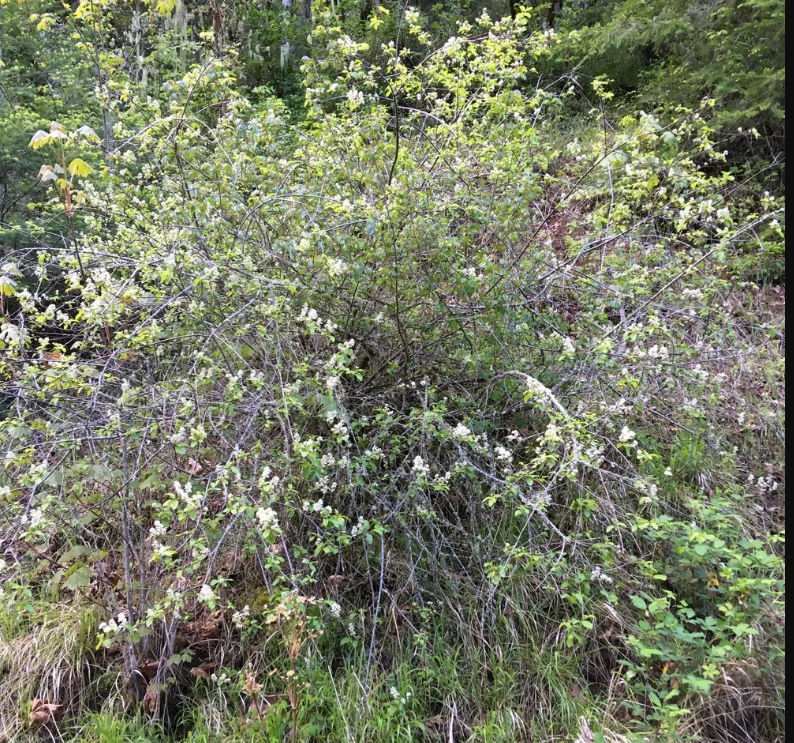 Image 2 of 3
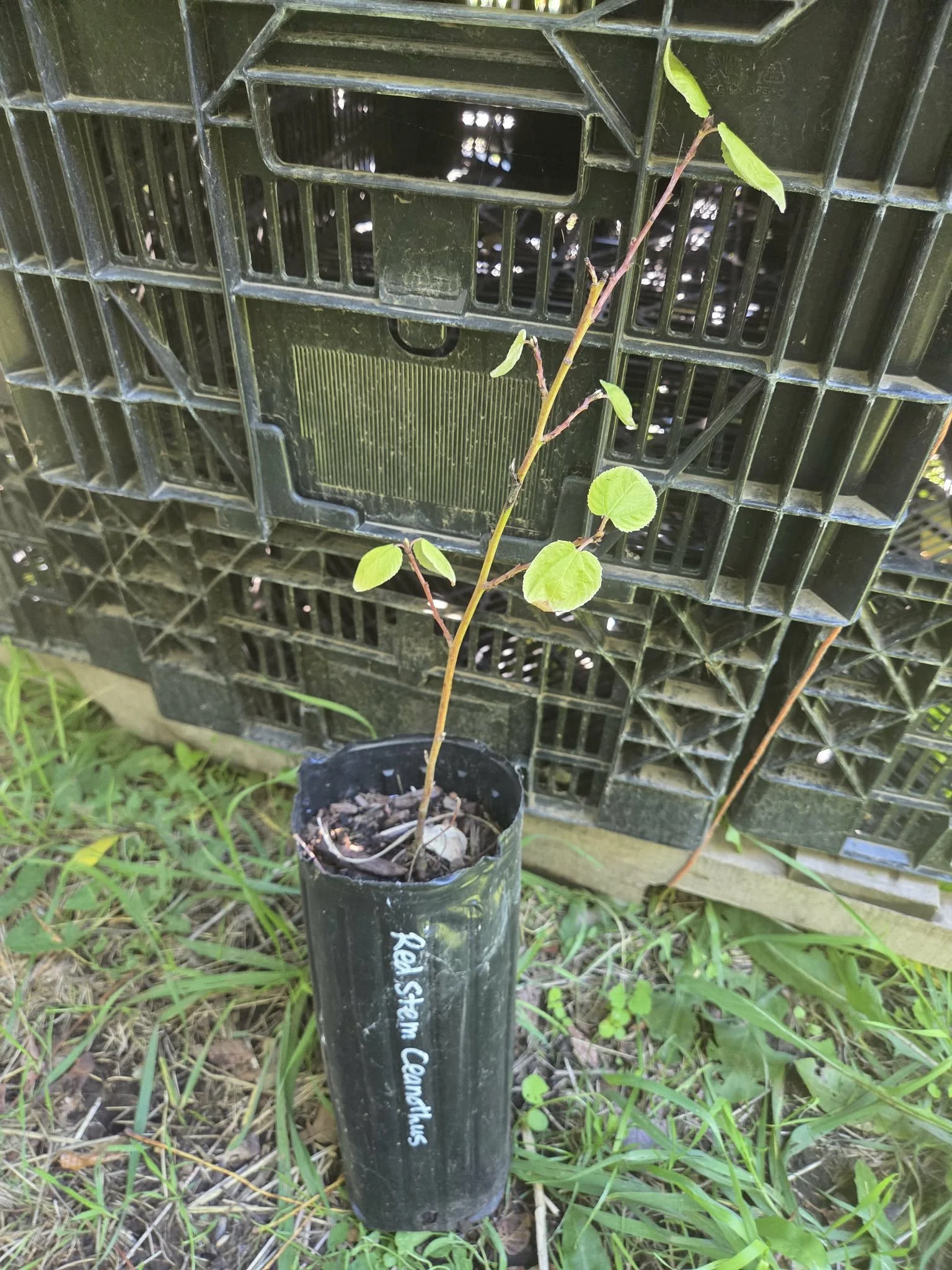 Image 3 of 3
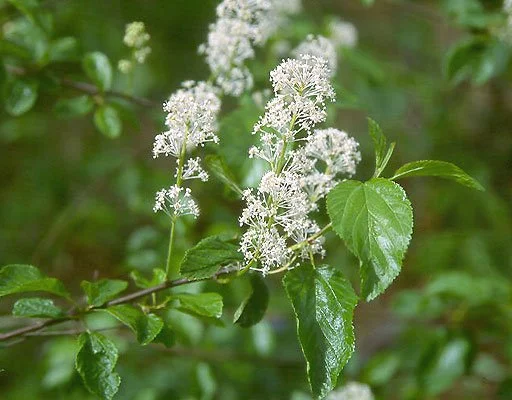
This medium-sized shrub is also called Oregon Tea Tree Wild Lilac, Soapbloom, or Redstem Buckbrush. It is similar to Snowbrush except it has reddish stems. The glossy dark leaves, fragrant white flower clusters that bloom from late spring to mid summer, and reddish or purple stems in the winter provide year-round beauty. Once established, it is a tough shrub that does well on dry sites with poor soil and often establishes in recently burned areas. It also does well in fairly moist sites. It fixes nitrogen in the soil. It can be tricky to grow in pots and to establish, but it is worth it. It can grow up to 9 feet tall and wide.
The small white flowers are fragrant and attract many pollinators, and it is a host plant for some butterflies and moths. The seeds provide important food for many kinds of wildlife, including birds, small mammals, ants, and other insects. Native American tribes have many uses for this ceanothus.
NOTE: I had a low survival rate from these bare root plants, so these are the tough survivors. I hope to offer more plants in the spring. They are in tall 12-inch-deep treepots and have a well developed root system.