Black twinberry is a beautiful small to medium (3-10 feet) honeysuckle shrub, beautiful as a landscape plant. The orange and yellow tubular shaped flowers bloom in April and continue all summer, providing an important nectar source for hummingbirds (it is a hummingbird magnet!), bees, butterflies, and moths. It is a caterpillar host plant for some native moths and butterflies. The black berries are surrounded by red bracts - absolutely beautiful! Birds and mammals eat the black berries; because it is not a favorite they are often available in winter when food is scarce. Twinberry prefers some shade but can be planted in full sun. It is not drought tolerant, although it can adapt to drier sites. It is a good plant for riparian areas, hedgerows, and windbreaks where it can get some supplemental water in the summer; good for erosion control along streambanks. It is fast growing and easy to grow. Caution: Do not eat the bitter berries — eaten in large quantities, they can cause mild to severe digestive upset. Native American tribes used this plant in a variety of ways for various ailments.
These 1-gallon plants look great and are still putting on new growth in September! The picture of the berries is from one of these young plants.
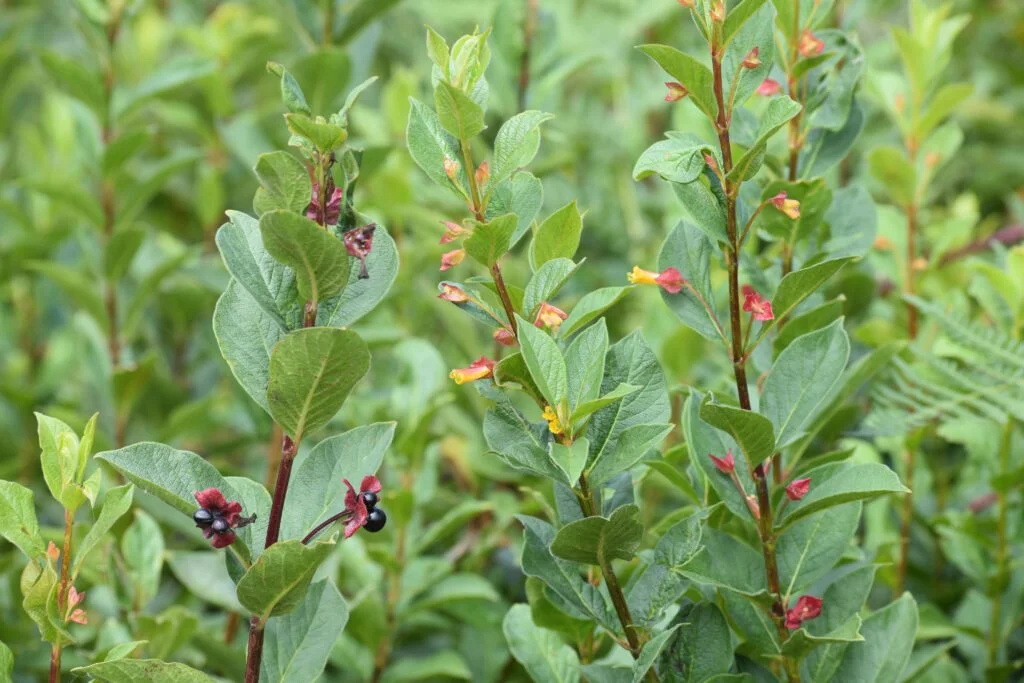 Image 1 of 7
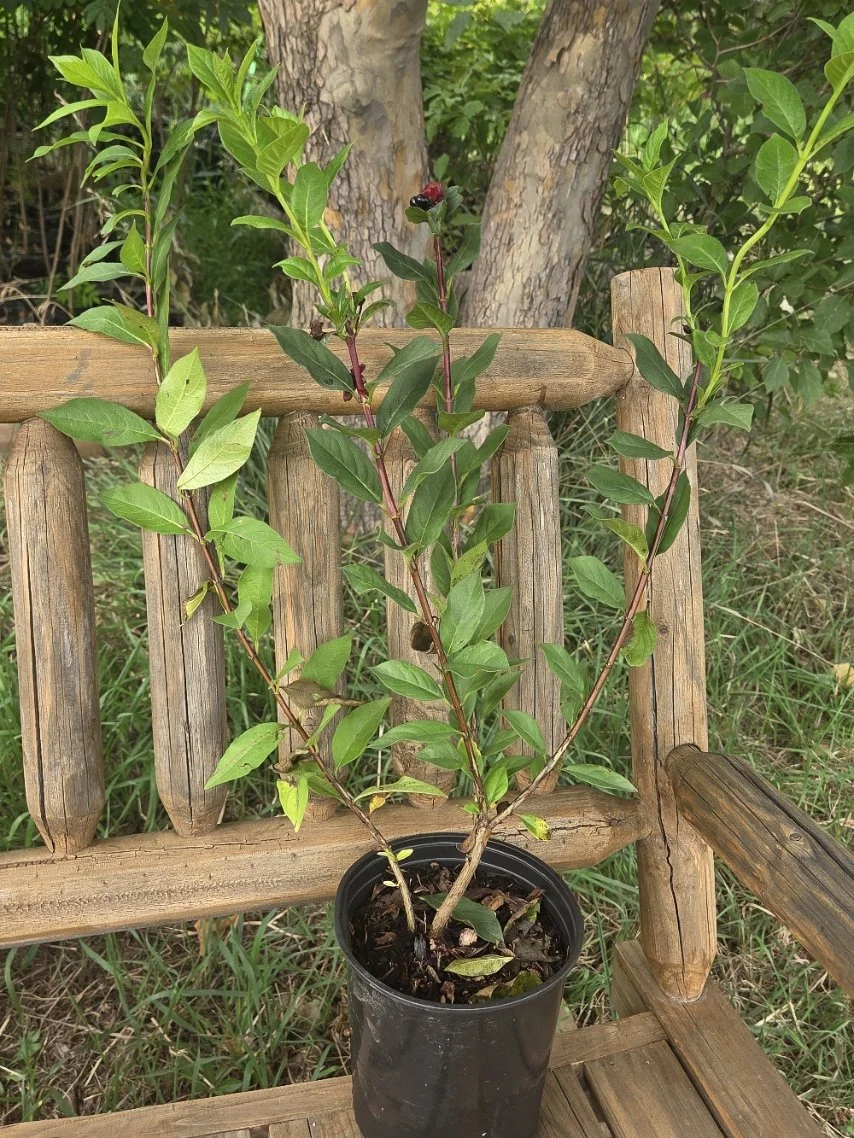 Image 2 of 7
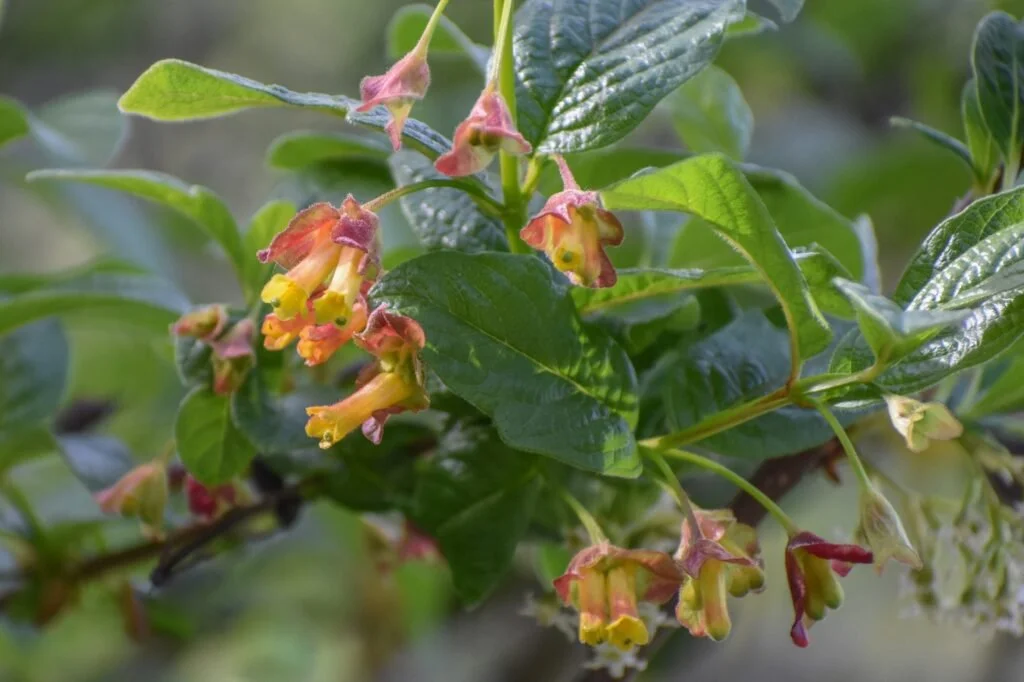 Image 3 of 7
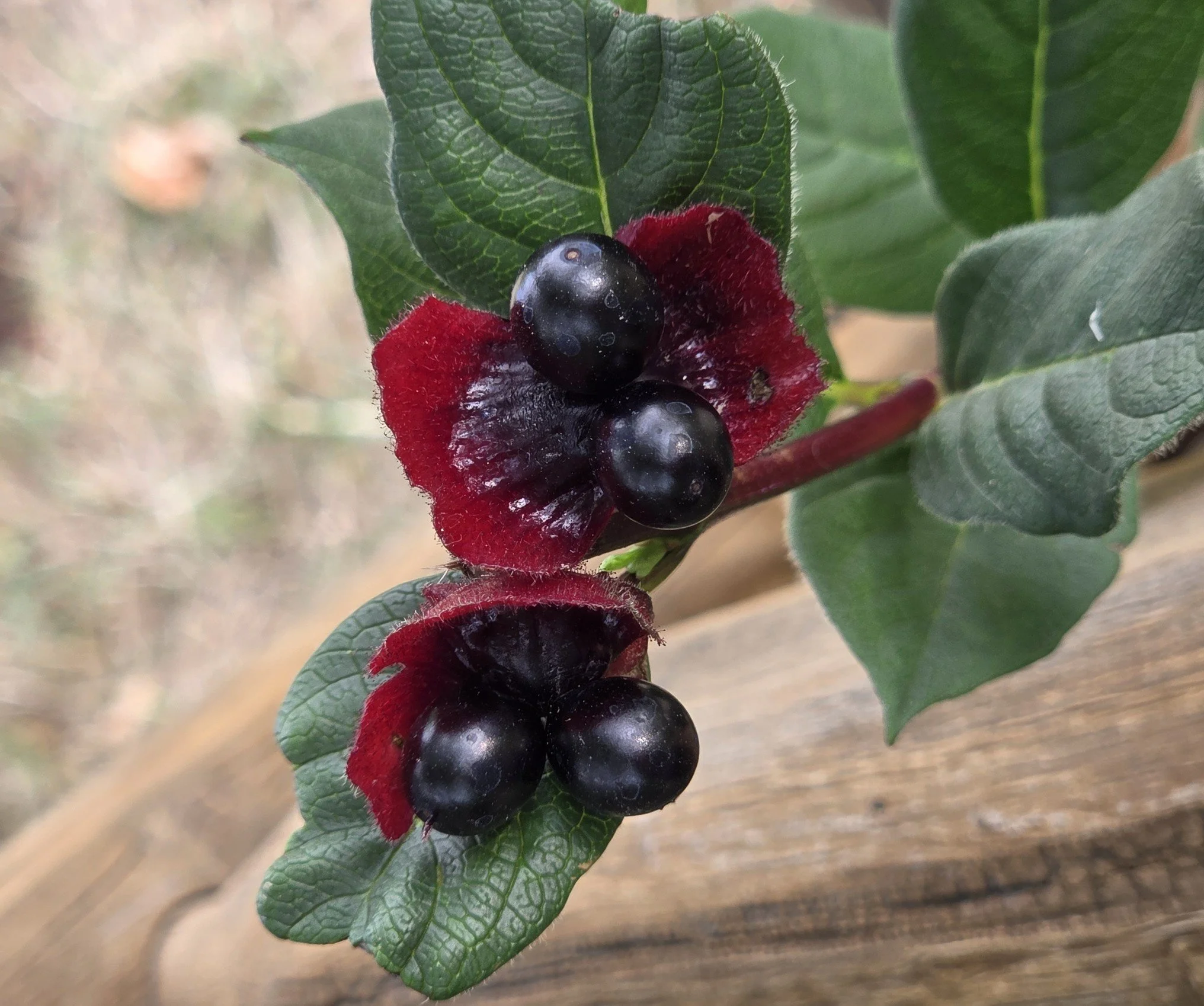 Image 4 of 7
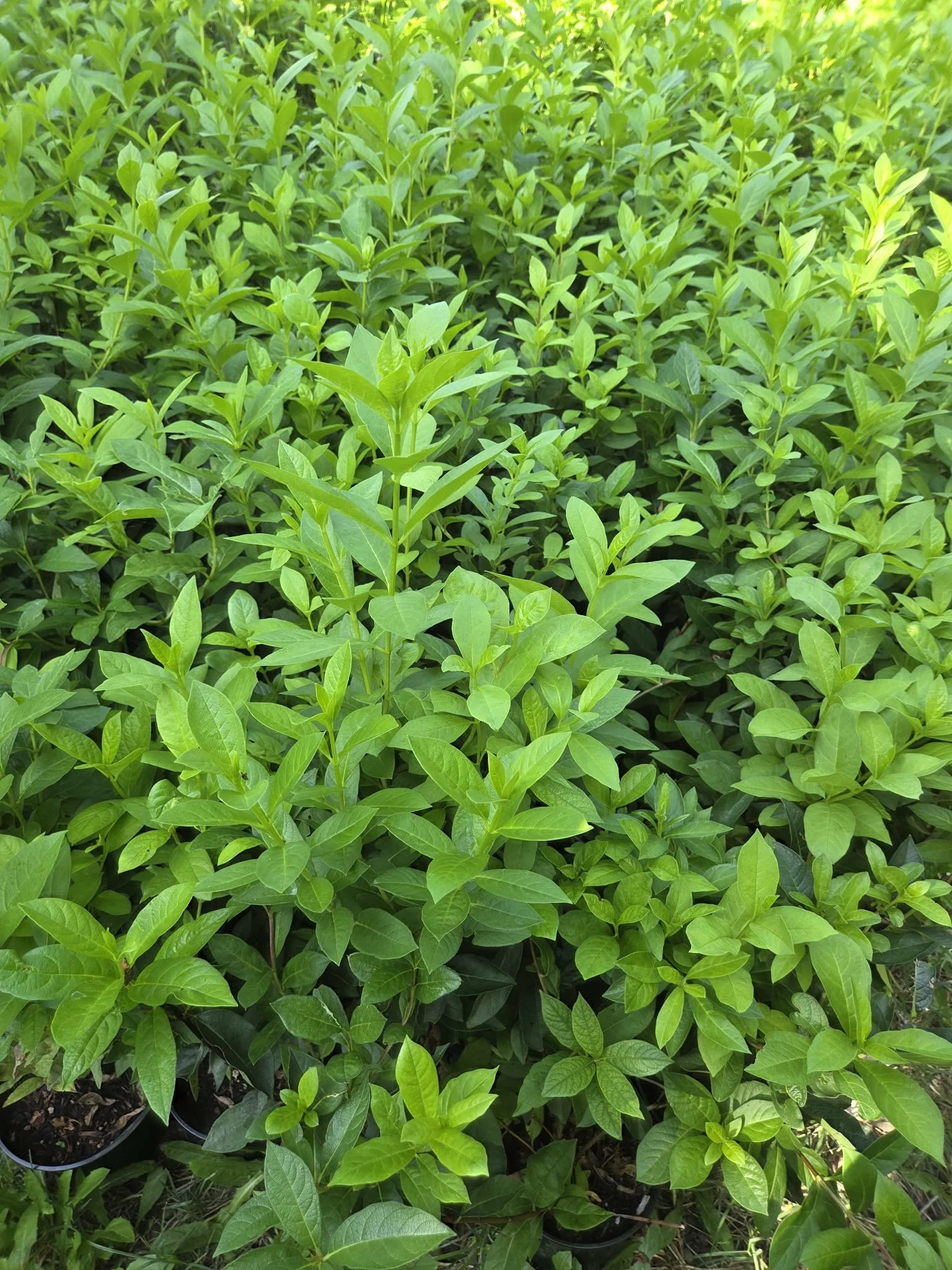 Image 5 of 7
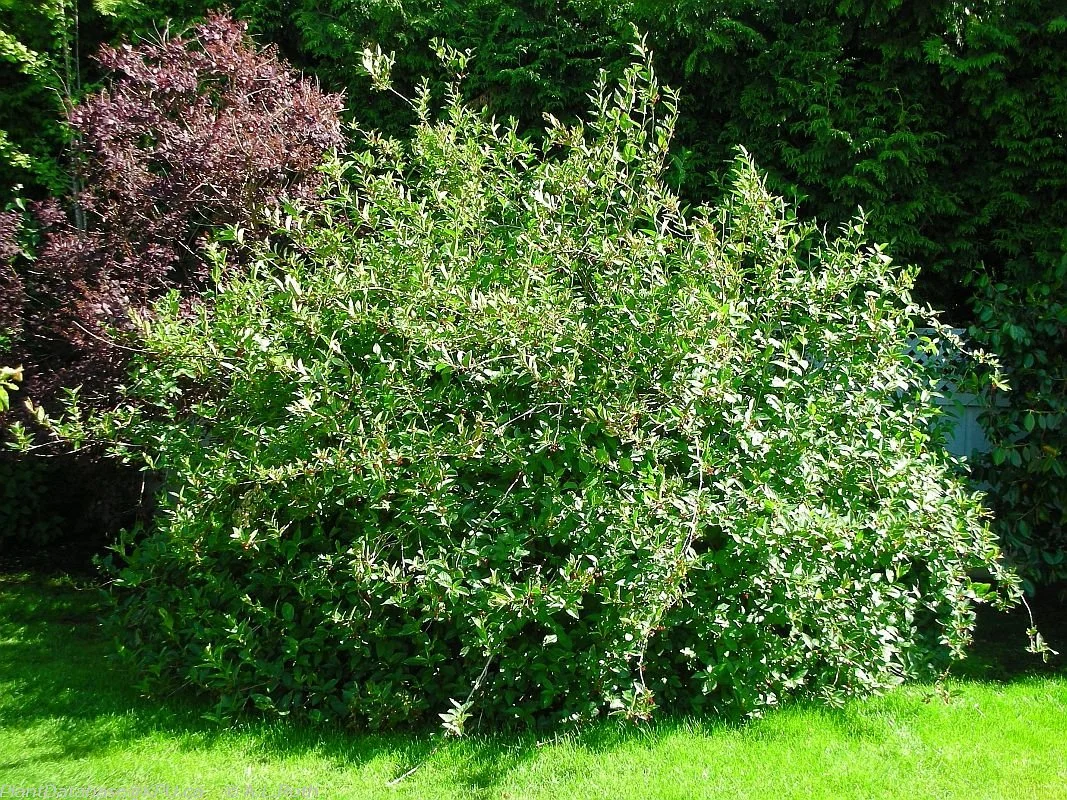 Image 6 of 7
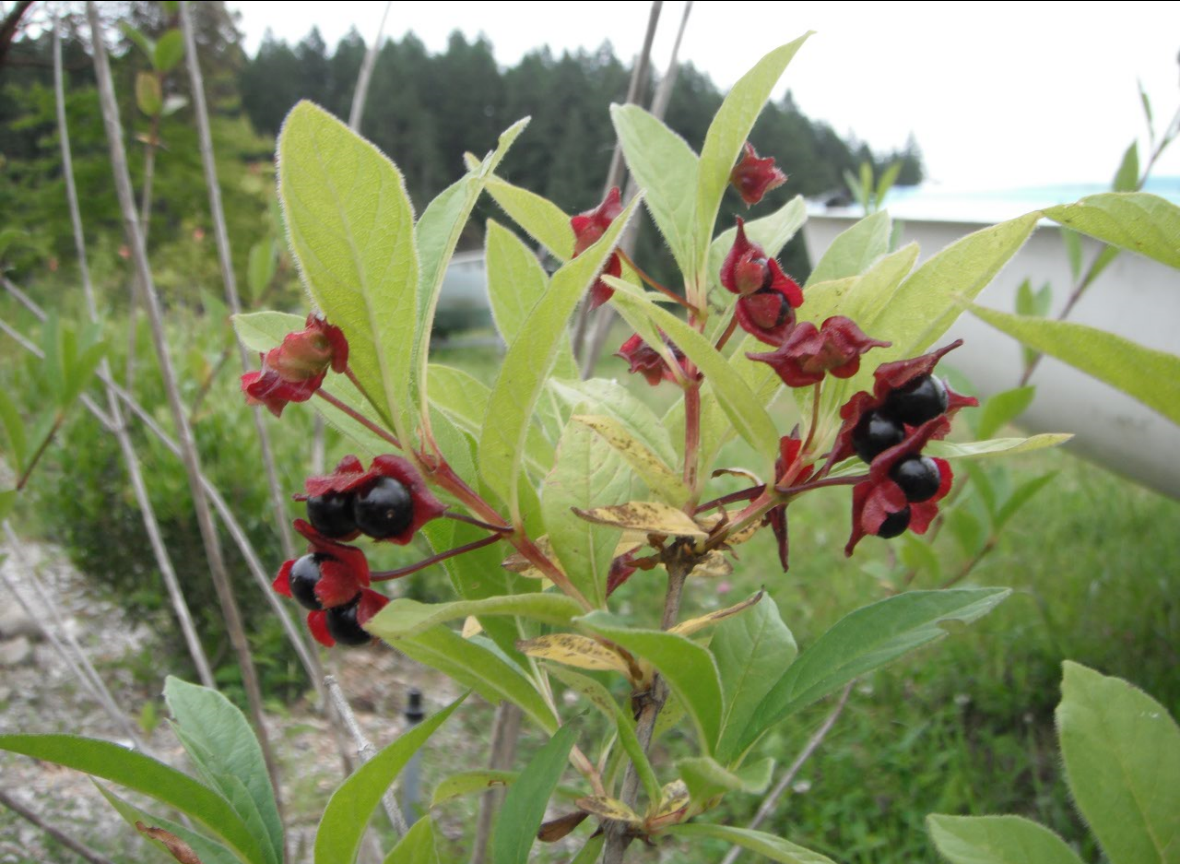 Image 7 of 7