 Image 1 of 4
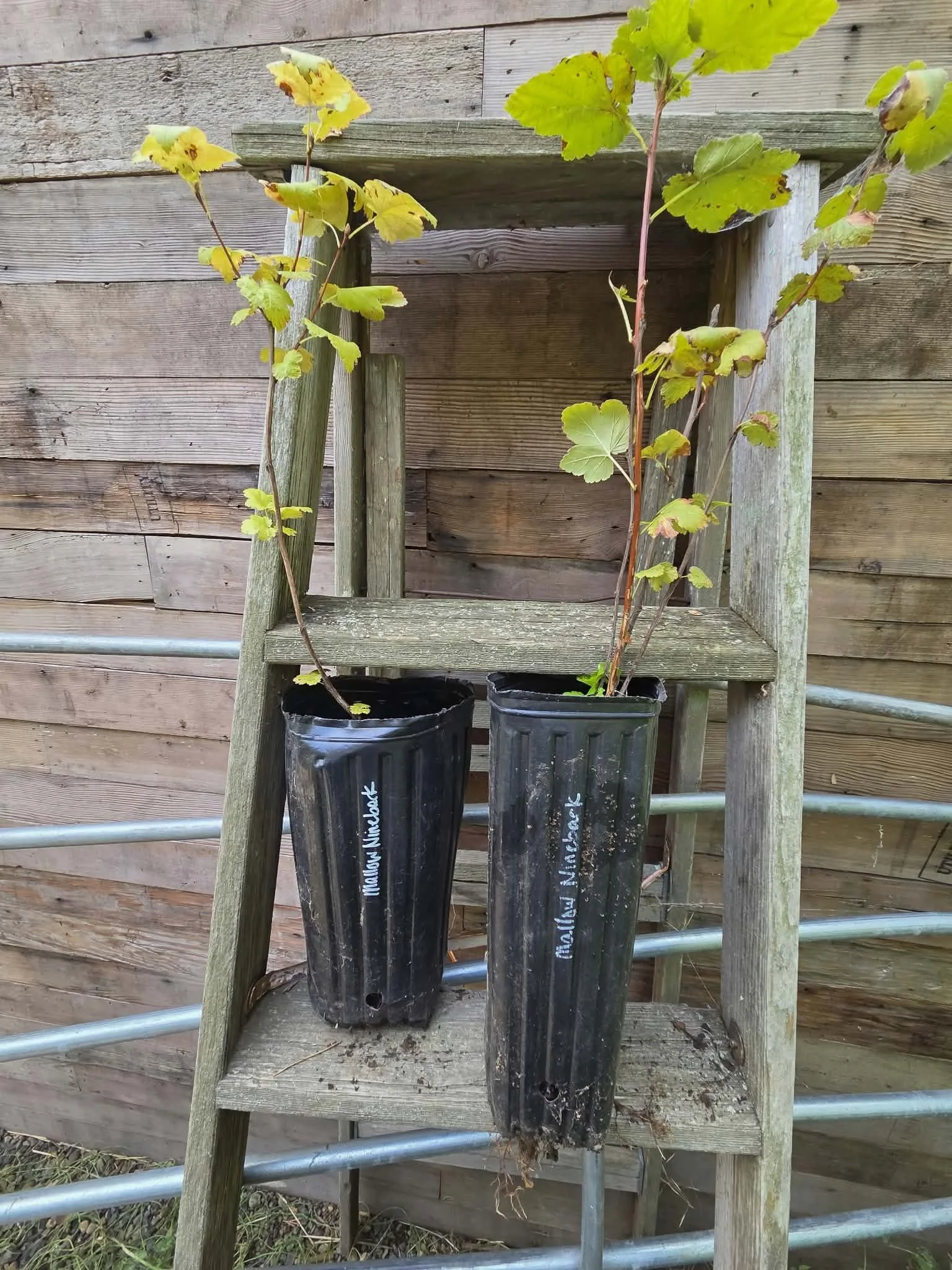 Image 2 of 4
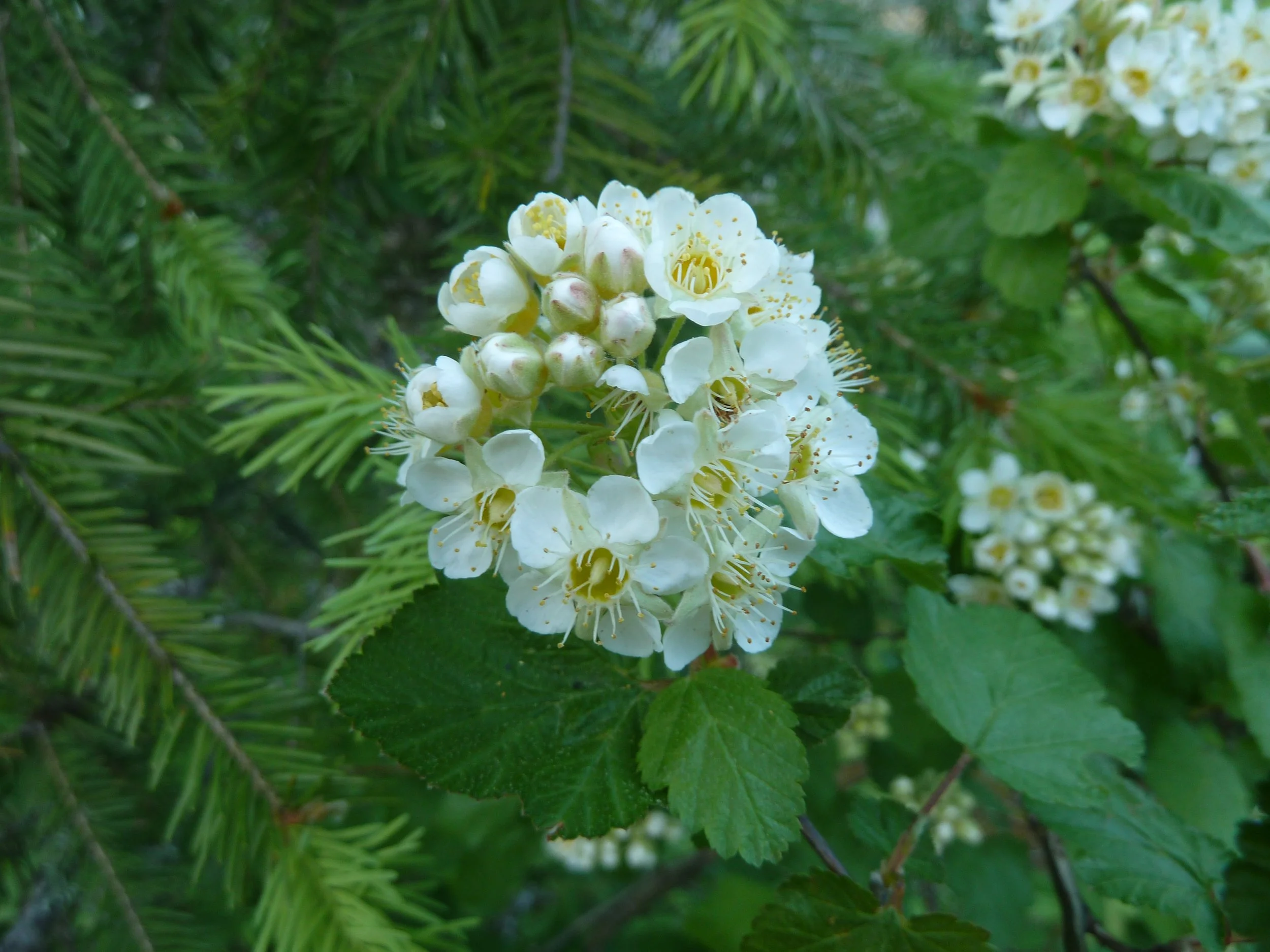 Image 3 of 4
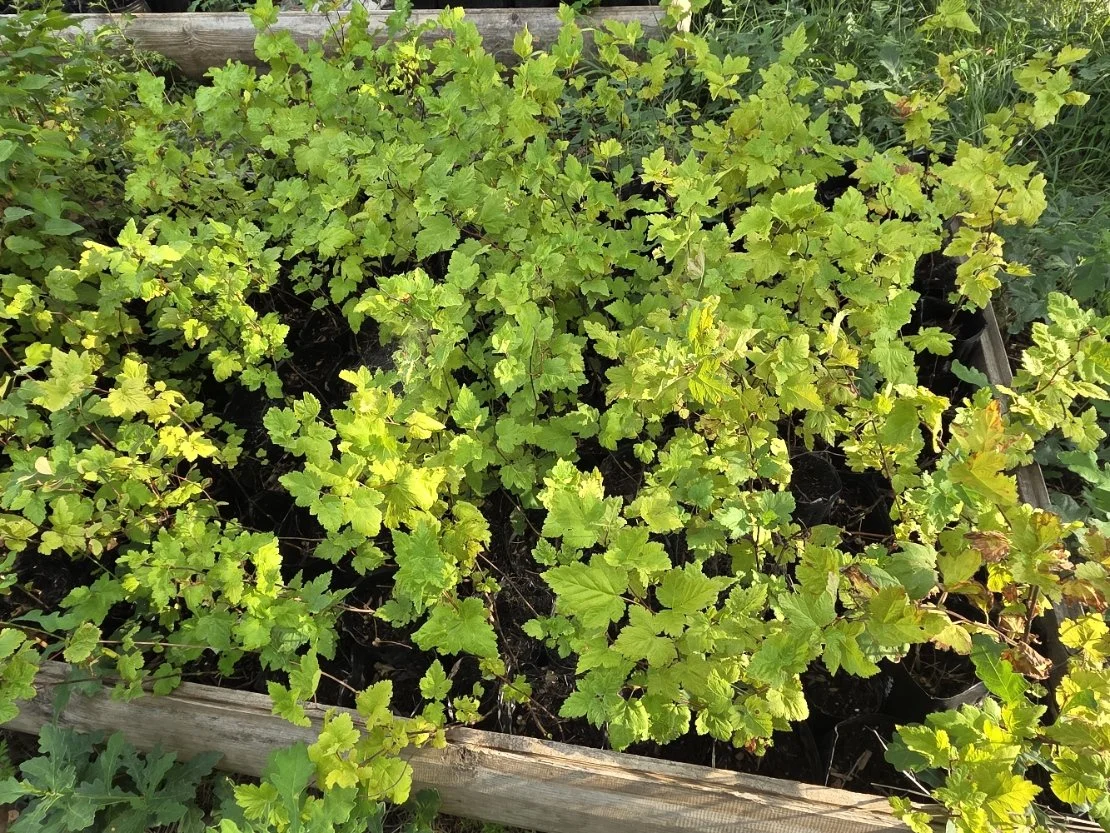 Image 4 of 4
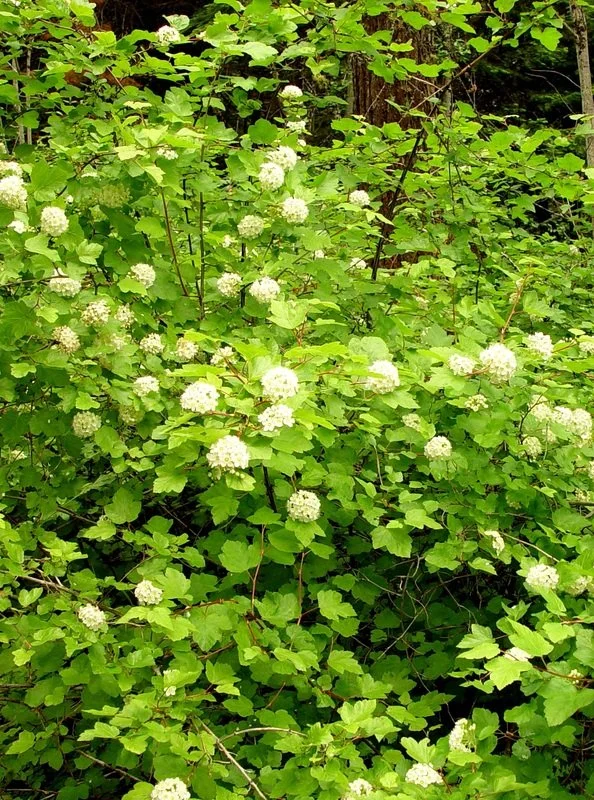
This ninebark is similar to Pacific ninebark but smaller, growing to 3-6 feet. The flower clusters are more rounded than those of Pacific ninebark, which is a sure way to tell them apart, but it has the same papery bark. Mallow ninebark is native to the east of the Cascades and is more suited to dry conditions, but does better in partial or full shade and some added water in summer. This shrub is of special importance to native bees, and from May-July the flowers attract bees and butterflies and other pollinators. Birds use the shredding bark for nests, and the dense growth provides cover for birds and small mammals. Fall color is variable and can range from intense red, orange, yellow, and rose-brown.
My plants were potted from small bare root plants. They haven’t put on much growth this summer, but they are in 12-inch-deep treepots and have an extensive root system. They will grow well once they are settled in their permanent home.