 Image 1 of 5
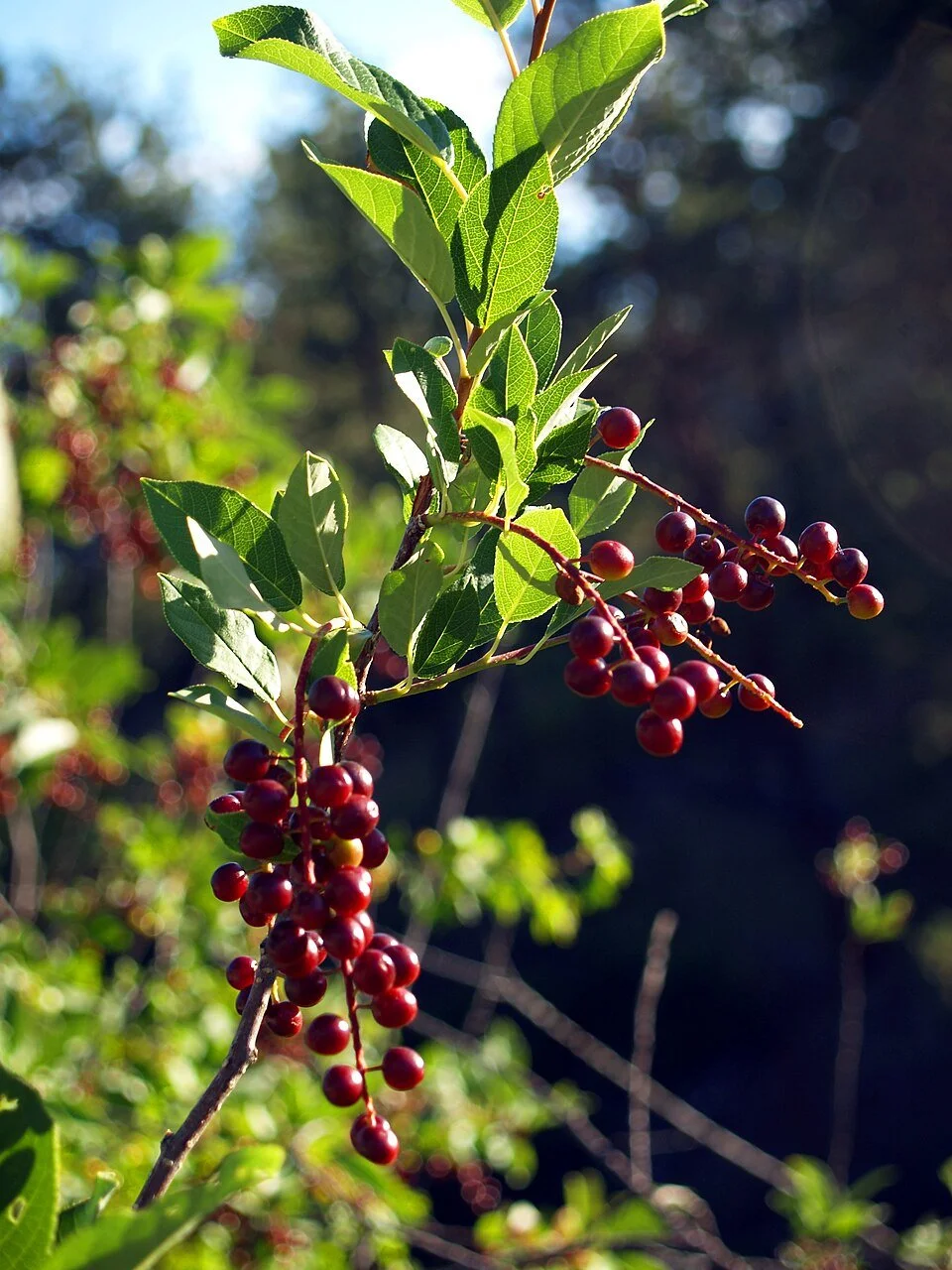 Image 2 of 5
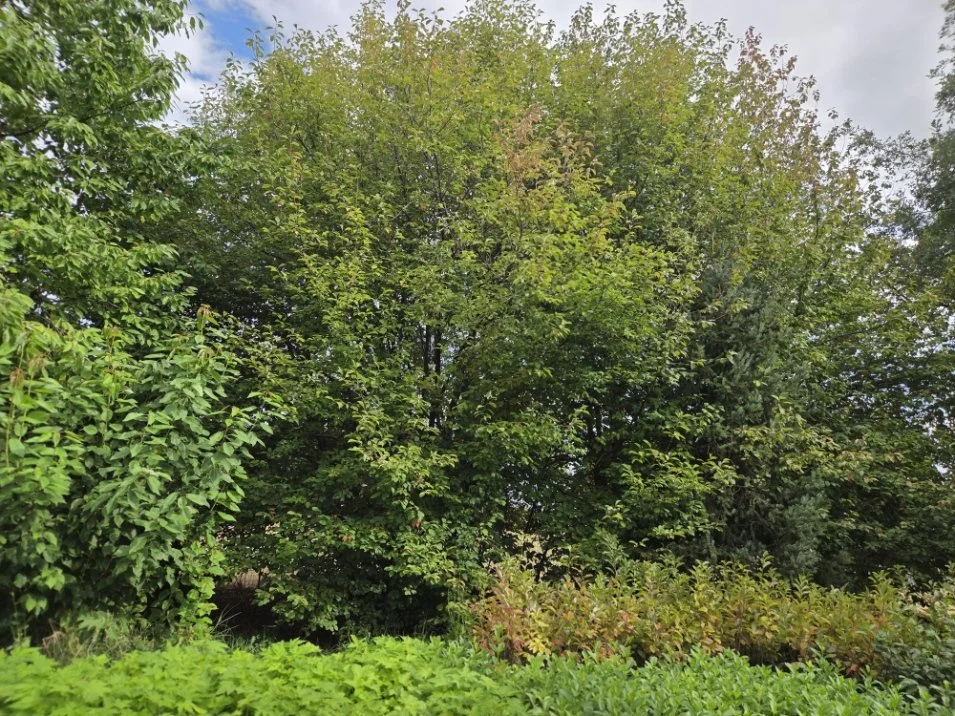 Image 3 of 5
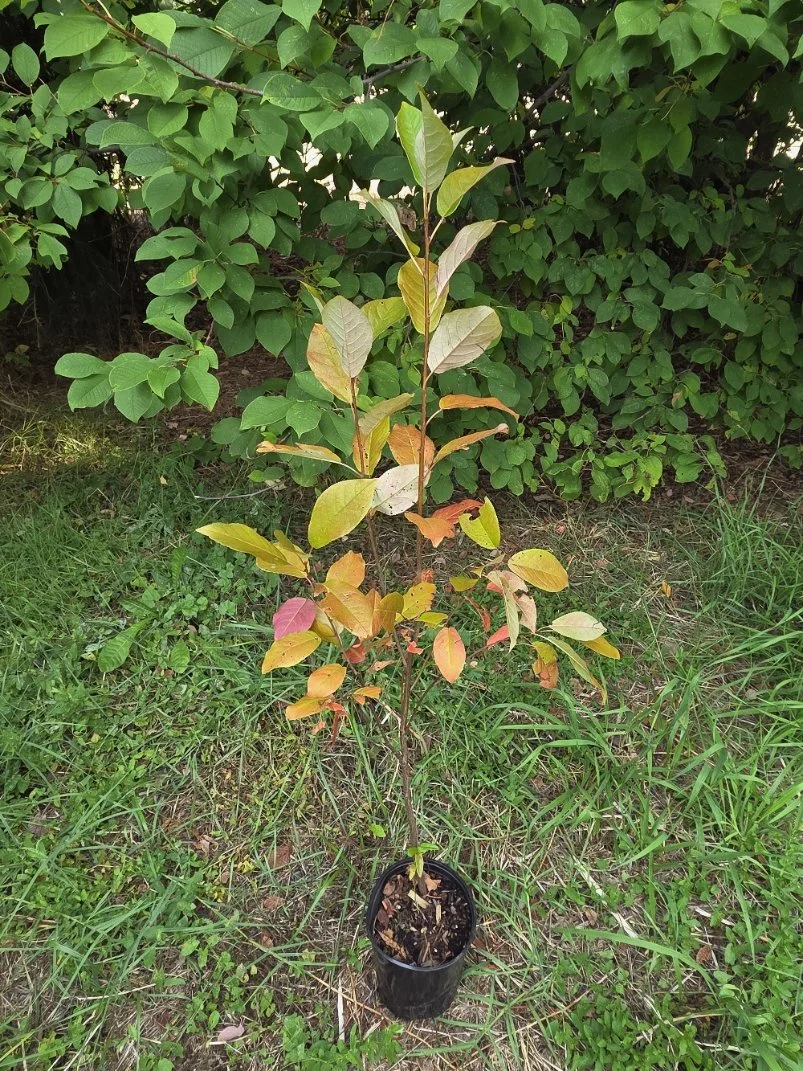 Image 4 of 5
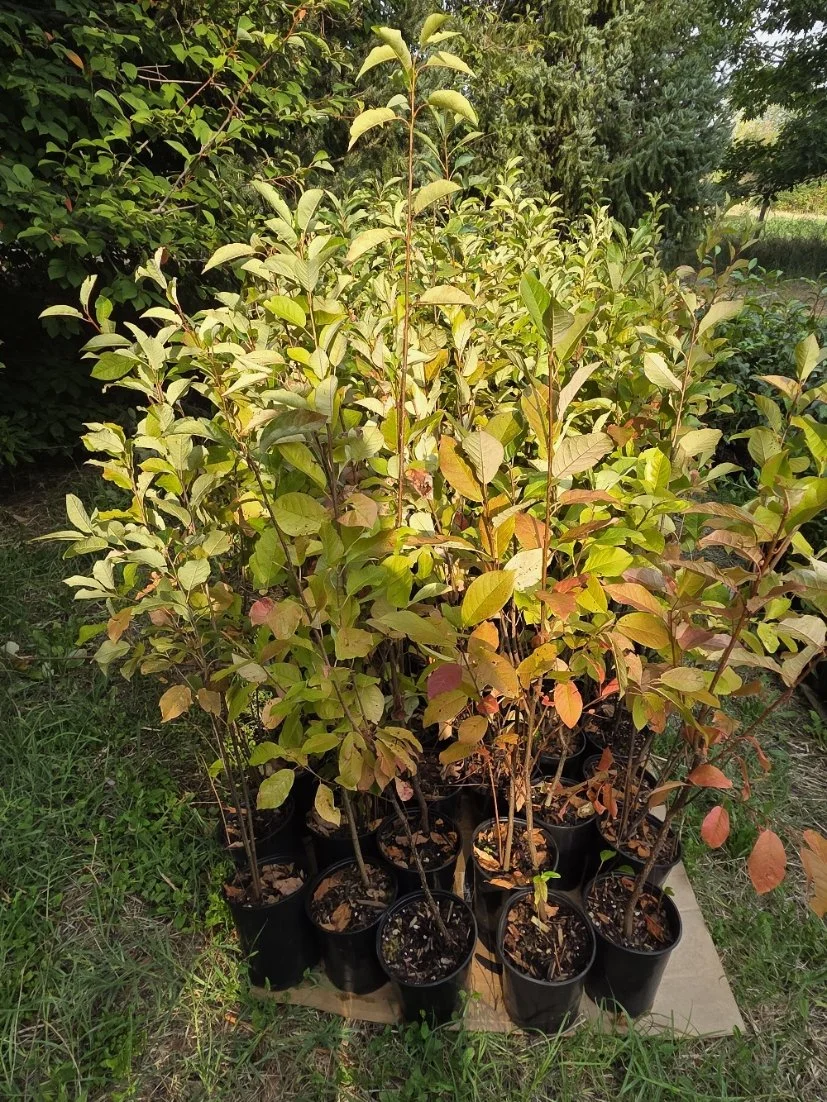 Image 5 of 5
The chokecherry tree is an ecological powerhouse, and it is also a pretty ornamental tree. I have several 20-year-old trees. They have developed multiple trunks and densely fill in a fence line, but they have not formed a thicket of new trees, as some sites say they will. The birds get to the berries before I even see them. The fall color is beautiful. Mine have gone many summers without supplemental water. I am so impressed with this tree! It grows 20-30 feet tall and almost as wide. They are adaptable to various conditions, but supplemental water in the summer will ensure more abundant fruit for wildlife.
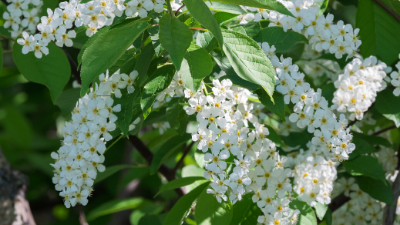
Chokecherry supports hundreds of caterpillar larvae from native butterflies and moths. These larvae, a vital food source for baby birds, are a link in the food chain that keeps ecosystems healthy. The white flower racemes provide critical early-season nectar for pollinators. Many species of birds and mammals flock to the trees eat the small red-purple cherries. Note that the stems, leaves, and seeds can be toxic. I was worried about my horses eating the leaves, but they’ve been pastured with the trees for 20 years with no problems.
These 1-gallon chokecherries are a few years old and need to be planted in their new homes so the cramped roots can settle in before it freezes. The photo of the mature chokecherry trees shows pots of chokecherry, thimbleberry, and black twinberry in the front.