 Image 1 of 5
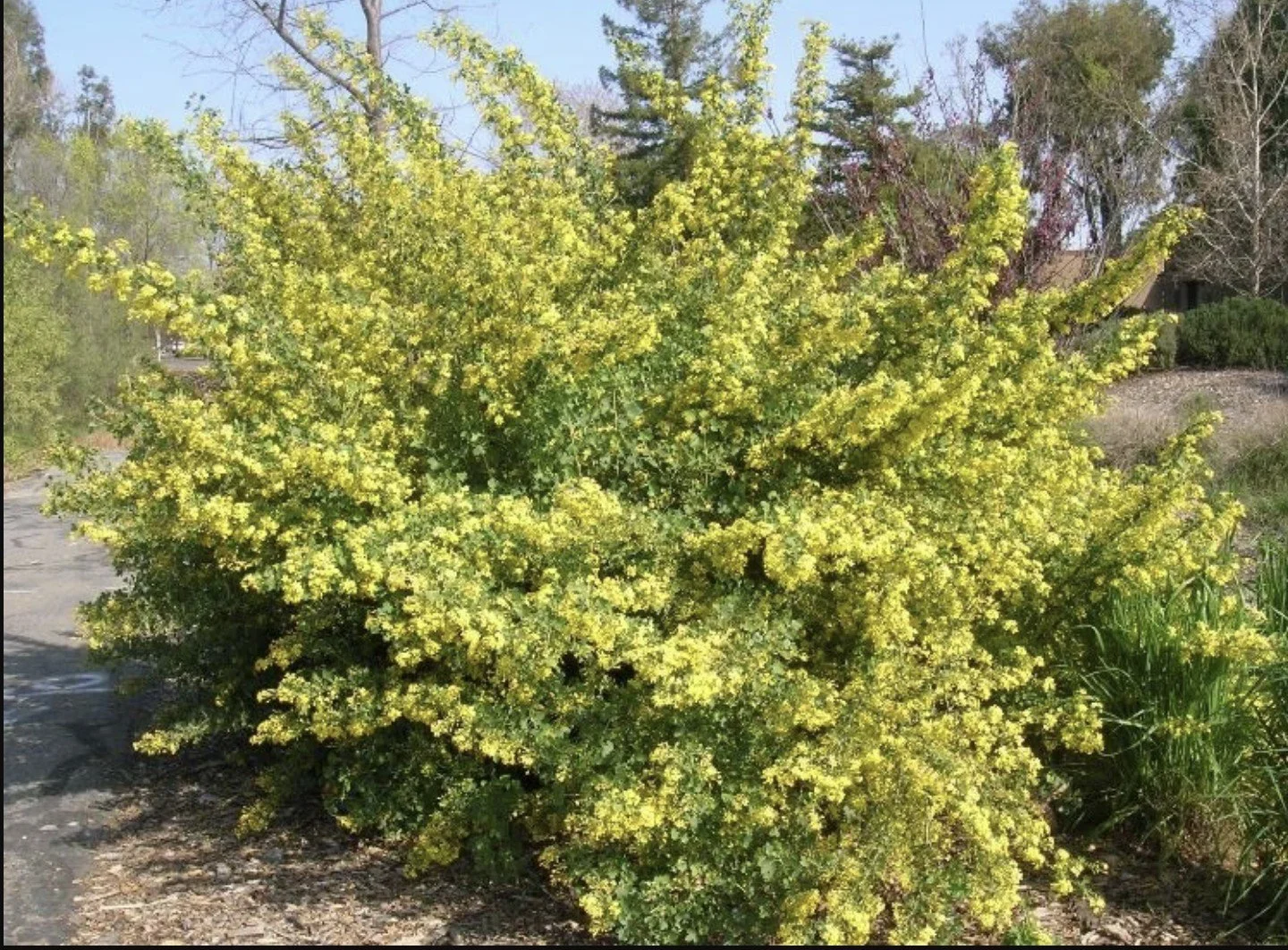 Image 2 of 5
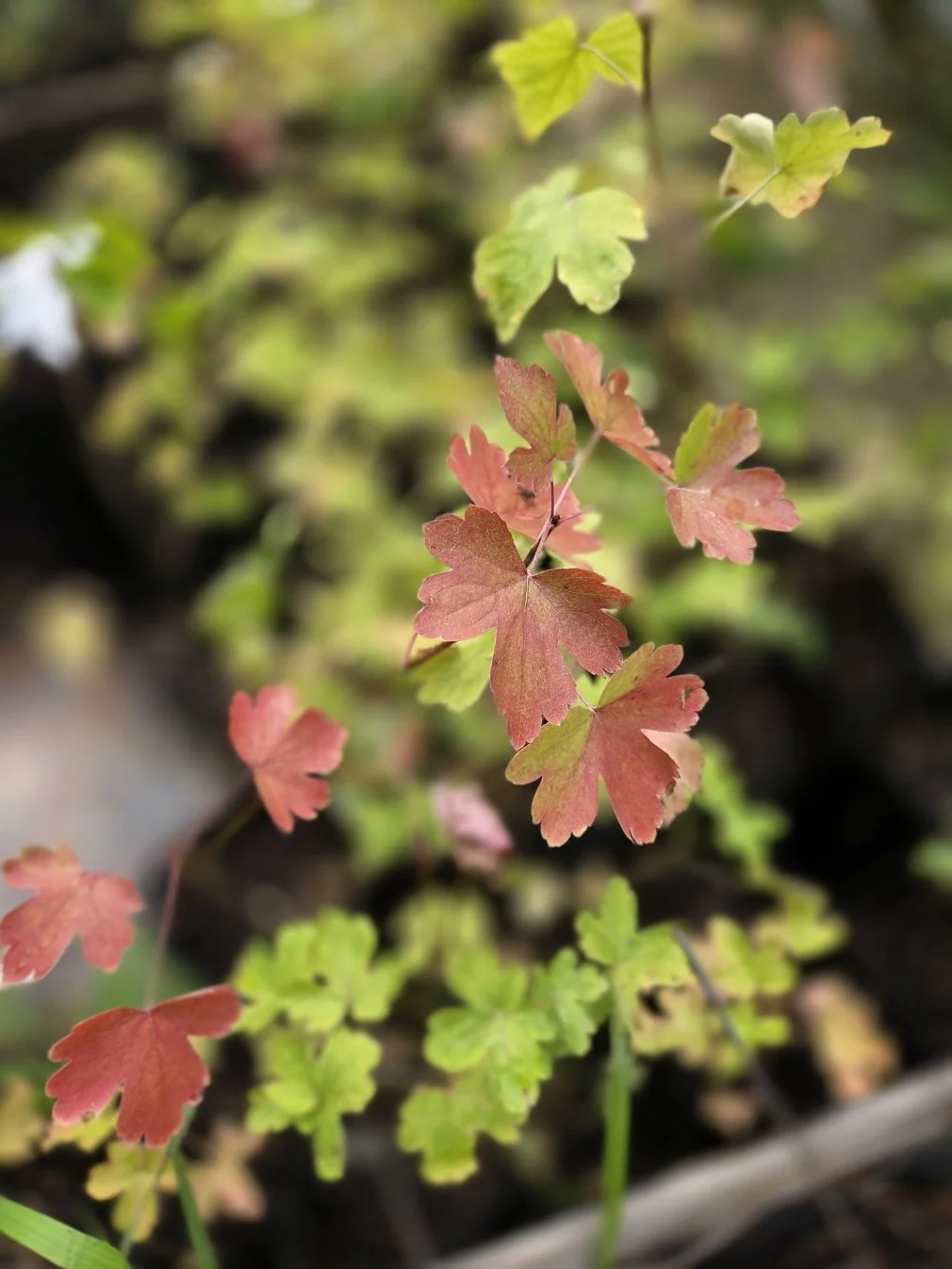 Image 3 of 5
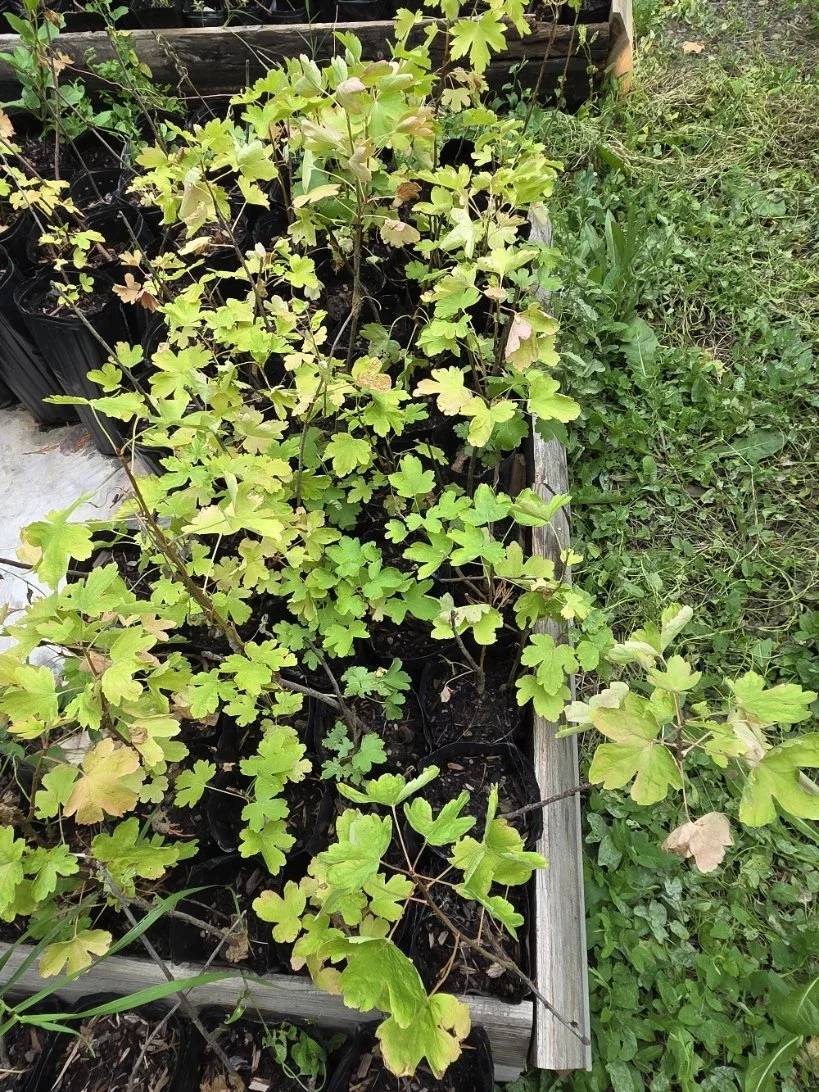 Image 4 of 5
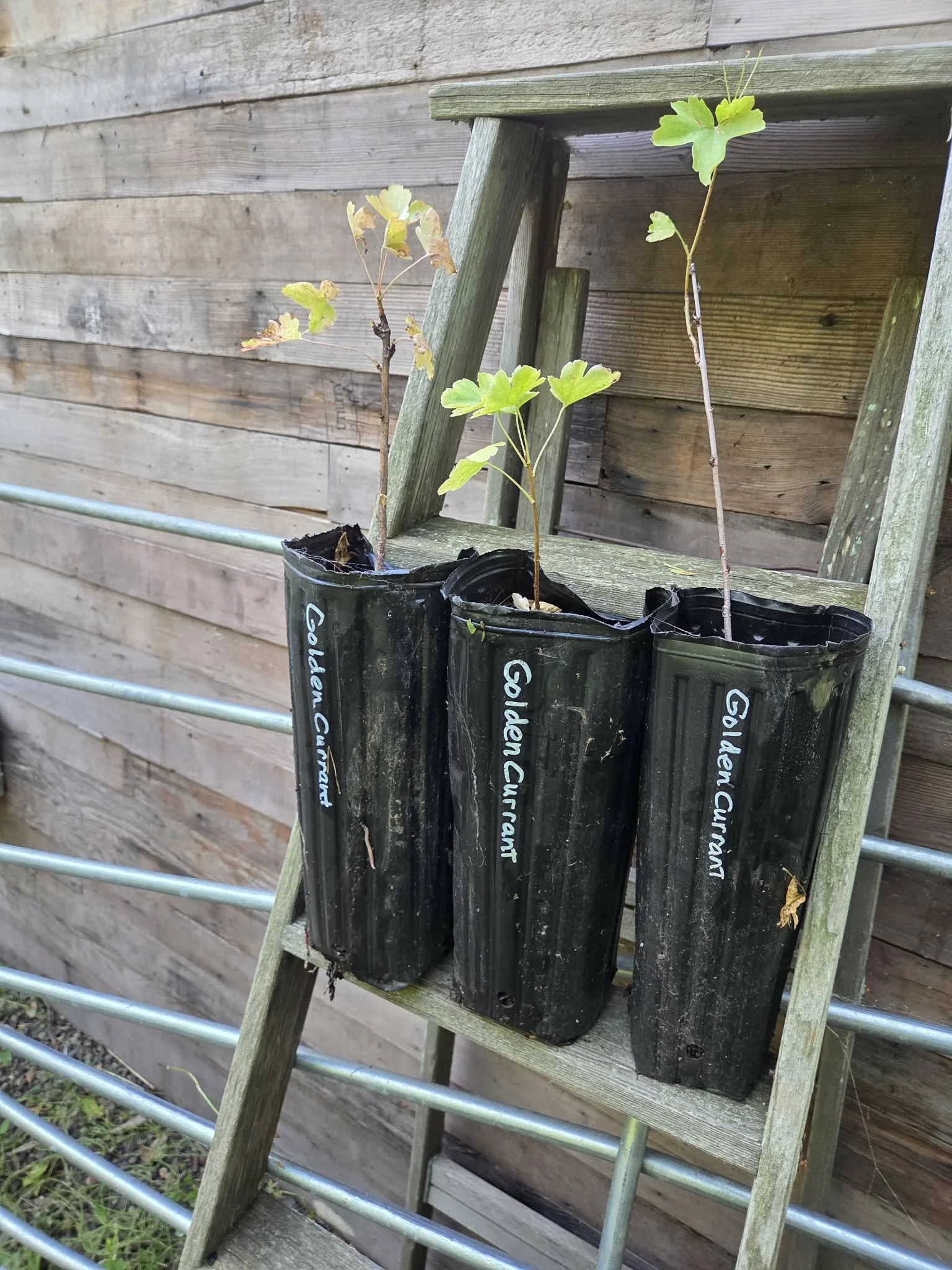 Image 5 of 5
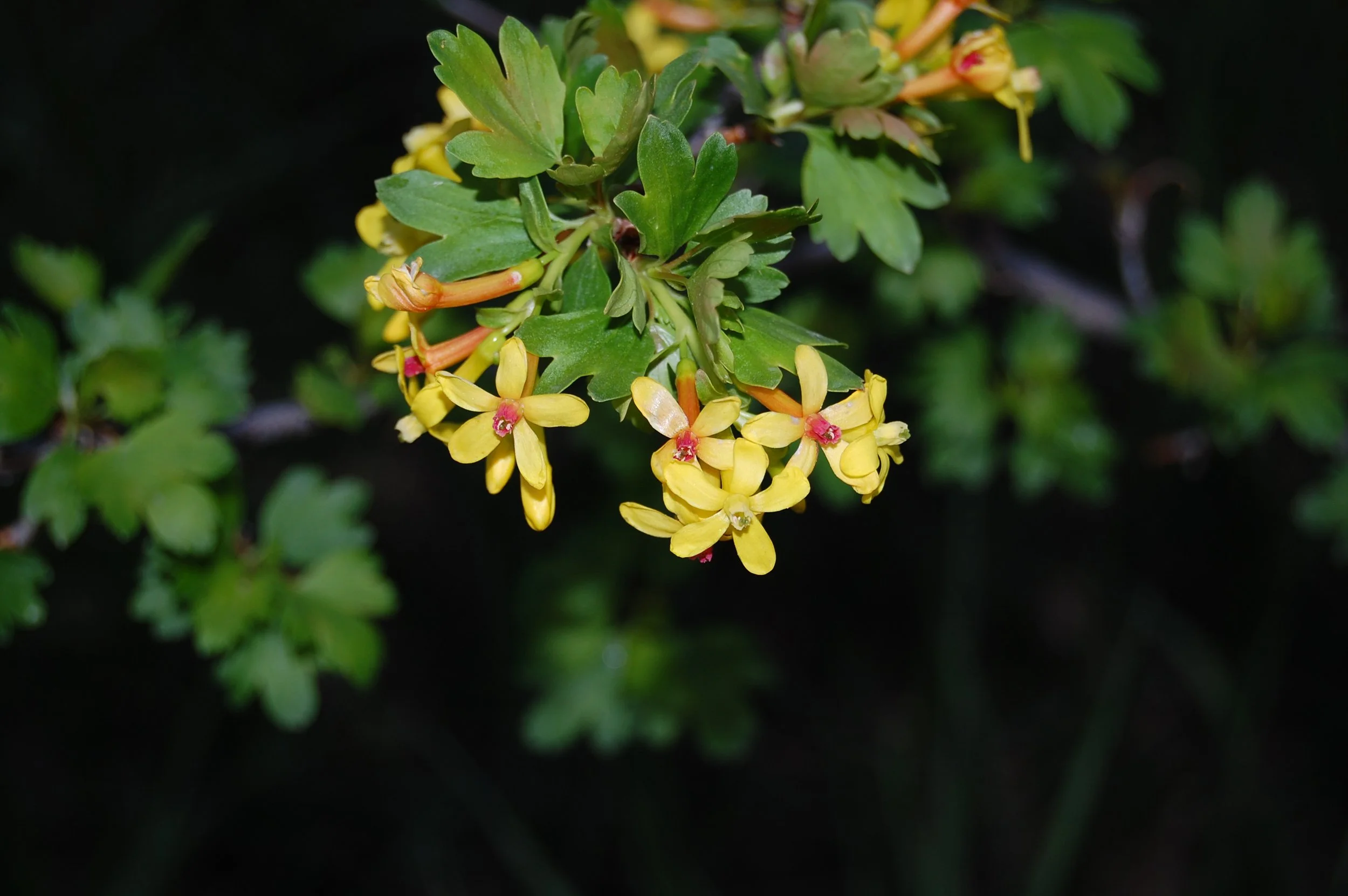
Golden currant is a must-have in a native garden. It is eye-catching in all seasons. It is a small to medium sized shrub (3-10 feet tall) covered with racemes of fragrant clove or vanilla scented star-shaped bright yellow flowers in the spring, which turn into orange, red, or black berries. Fall color is variable, turning yellow, orange, red, or purple-red. Birds — including hummingbirds — bees, and beneficial insects love the flowers, and the berries are eaten by many varieties of birds and small mammals.
This plant is easy to grow, tolerates poor soils and does well in shade or sun, although it will be denser in the sun. It is extremely drought tolerant but may look better with some supplemental summer watering. Good hedge or specimen shrub.
I lost a lot of the bare-root plants I potted this spring, and those that survived did not put on much growth. Once they are in their permanent home they should thrive, as did those I planted in the field.
These are in treepots about 12 inches high and are putting out roots through the bottom — this vigorous root system will help them establish through the fall and winter.