 Image 1 of 4
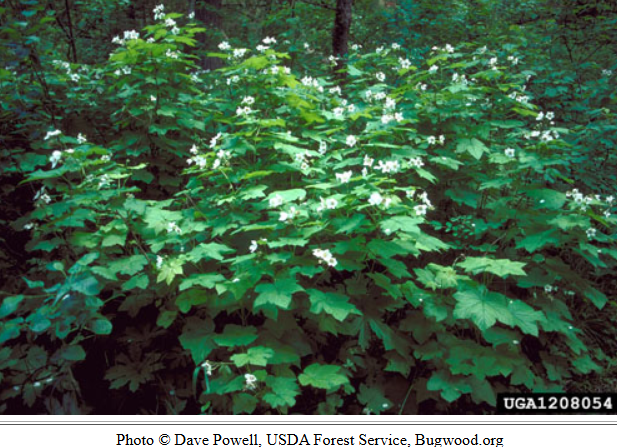 Image 2 of 4
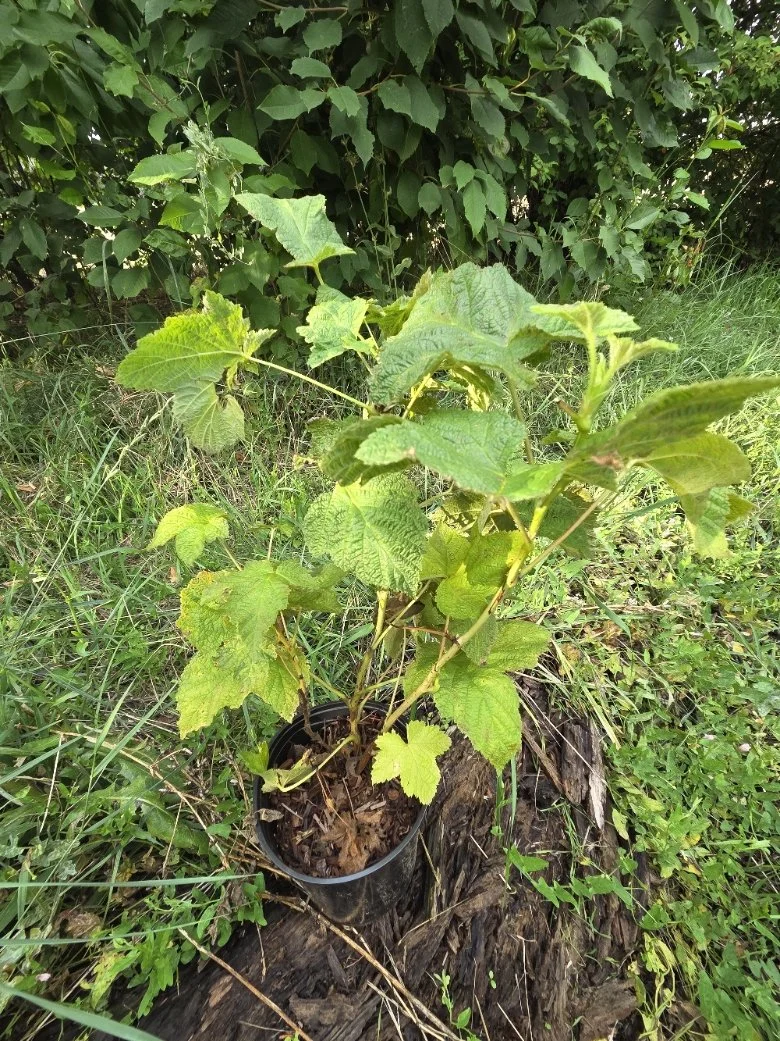 Image 3 of 4
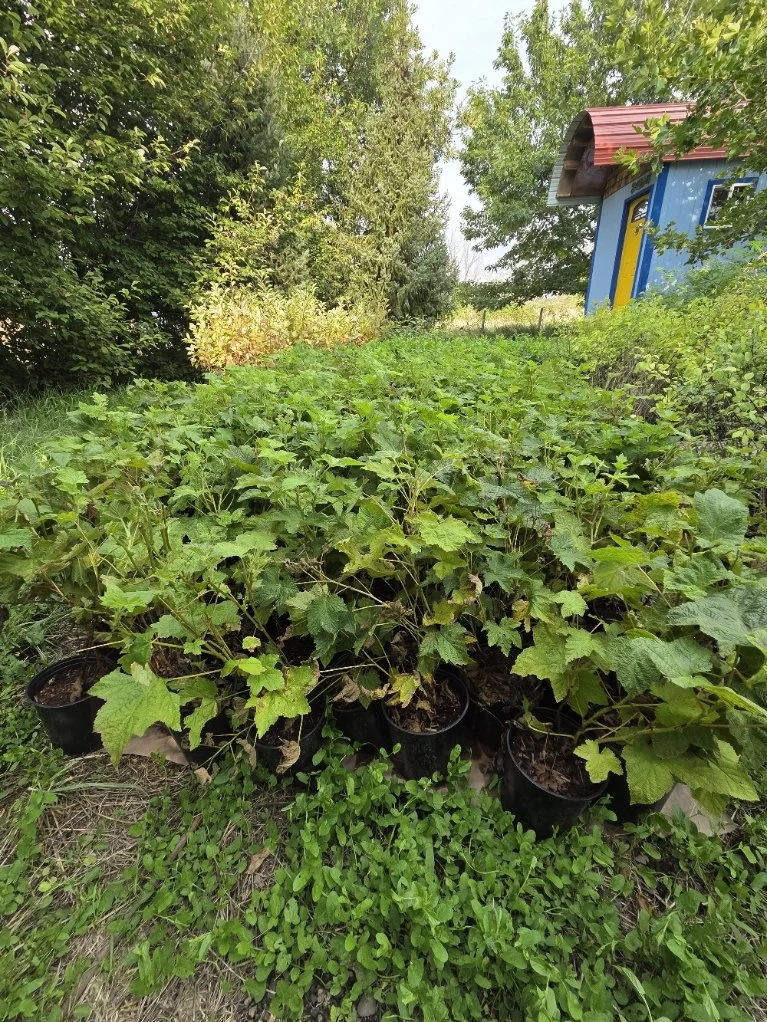 Image 4 of 4
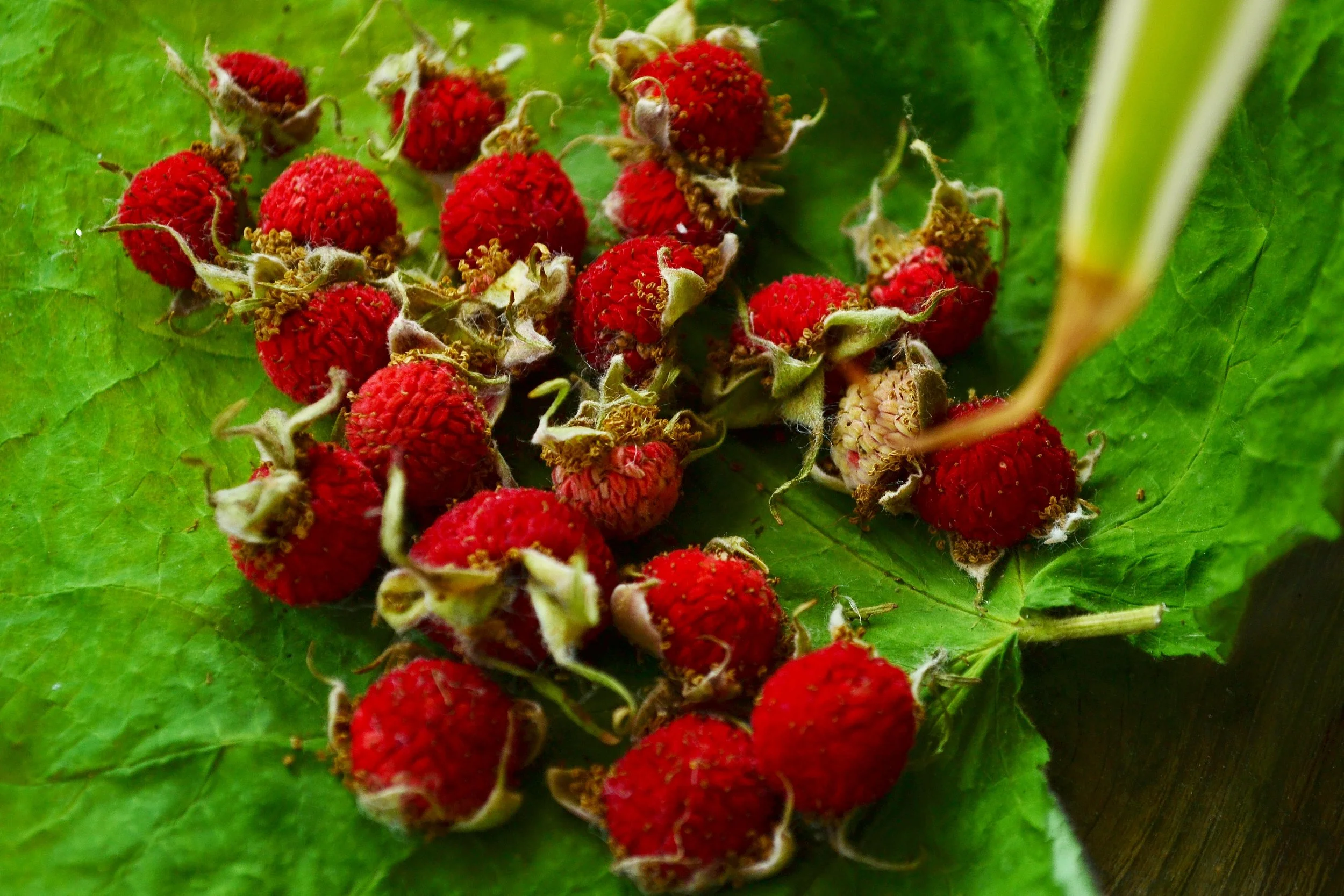
Wild raspberry, so good! Very soft fruit in mid to late summer. Birds and mammals will try to get it first, but if you can get enough to make jam, it is heavenly. Traditionally, the young shoots, roots, and leaves have been used for many medicinal purposes. Thimbleberry rows up to 6 feet fall and forms dense thickets over time. It has large, soft, velvety leaves (it has ben referred to as the toilet paper plant). It does prefer moist soil and will need additional summer water. It is an important food source for many types of wildlife. It is a host plant for some native bees and moths. The flowers produce a large quantity of nectar, which pollinators and hummingbirds love.
These 1-gallon plants are multi-branched and vigorous, ready to go home!